Mentha arvensis (Lanmant) : medicinal properties | Lapo
Mentha arvensis (Lanmant) : medicinal properties in alcoholic extraction
Mentha arvensis (Lanmant) — family Lamiacées.
Recognised external sources linked to this monograph: TRAMIL.
This database documents alcoholic (ethanol) extractions of active substances. Our monograph currently lists 20 indications in alcoholic extraction for this species. The monograph draws on 53 scientific references recorded for the species.
Therapeutic indications in alcoholic extraction:
Note: scientific reference excerpts are kept in their original language (most often English), without translation, to respect the source text of publications.
- Bacterial infection : Plant part used: Sheet. Documented pharmacological profile: Kanamycine-like, gentamycine-like, néomycine-like. Mentioned synergistic association: Chlorpromazine.
Selon Couthinho HDM (2009) : This is the first report testing the antibiotic resistance-modifying activity of Mentha arvensis against MRSA (methicillin – resistant Staphylococcus aureus). Materials & Methods: In this study an ethanol extract of MA & chlorpromazine were tested for their antimicrobial activity alone or in combination with conventional antibiotics against MRSA strains. Selon Asghar M (2022) : Our results showed FM.E induce ROS generation, cytotoxicity & inhibit Staphylococcus aureus (4.20±0.90 mm) & Pseudomonas aeruginosa (3.23±0.32 mm) growth. - Liver disorders : Plant part used: Sheet. Documented pharmacological profile: Silymarine-like.
Selon Patil K (2012) : Methods :Hepatotoxicity was induced by CCL4 and the biochemical parameters such as serum glutamate pyruvate transminase (sGPT), serum glutamate oxaloacetate transaminase (sGOT), alkaline phosphatase (sALP), serum bilirubin (sB) & histopathological changes in liver were studied along with silymarin as standard Hepatoprotective agents. To study the Hepatoprotective activity of ethanol, chloroform & aqueous extracts of Mentha arvensis leaves against CCL4induced liver damage in rats. Selon Rajesh K (2013) : The aim of the study is to investigate the ethanol extract of Mentha arvensis leaves were screened for its hepatoprotective & antioxidant activities in CCl4 (1 ml/kg bw) induced hepatic damage in rats. - Cancer : Plant part used: Sheet. Documented pharmacological profile: Paclitaxel-like.
Selon Patil K (2012) : Methods :Hepatotoxicity was induced by CCL4 and the biochemical parameters such as serum glutamate pyruvate transminase (sGPT), serum glutamate oxaloacetate transaminase (sGOT), alkaline phosphatase (sALP), serum bilirubin (sB) & histopathological changes in liver were studied along with silymarin as standard Hepatoprotective agents. To study the Hepatoprotective activity of ethanol, chloroform & aqueous extracts of Mentha arvensis leaves against CCL4induced liver damage in rats. Selon Rajesh K (2013) : The aim of the study is to investigate the ethanol extract of Mentha arvensis leaves were screened for its hepatoprotective & antioxidant activities in CCl4 (1 ml/kg bw) induced hepatic damage in rats.
Further indications (including other extraction modes where applicable), dosages, precautions for use and full scientific references are available in the complete monograph.
Lapotitjéri di la Nati medicinal database
Ethanolic extracts of active substances — monographs, indications, dosages and references for healthcare professionals. Ethnopharmacologist Emmanuel Nossin.
→ Search Mentha arvensis in the database (subscription required)
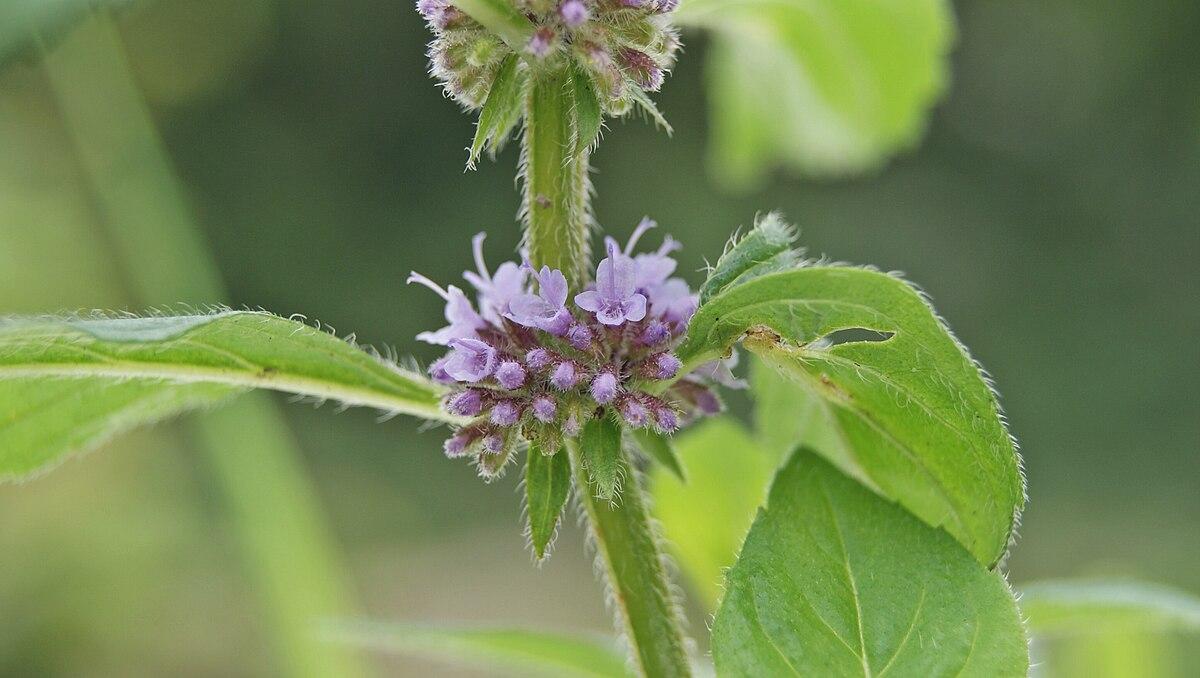
Photo credit : Photo by Danny S. without modification (CC BY 4.0). License : CC BY 4.0.