
Chamaesyce hirta (Malonmen) : vertus médicinales en extraction alcoolique
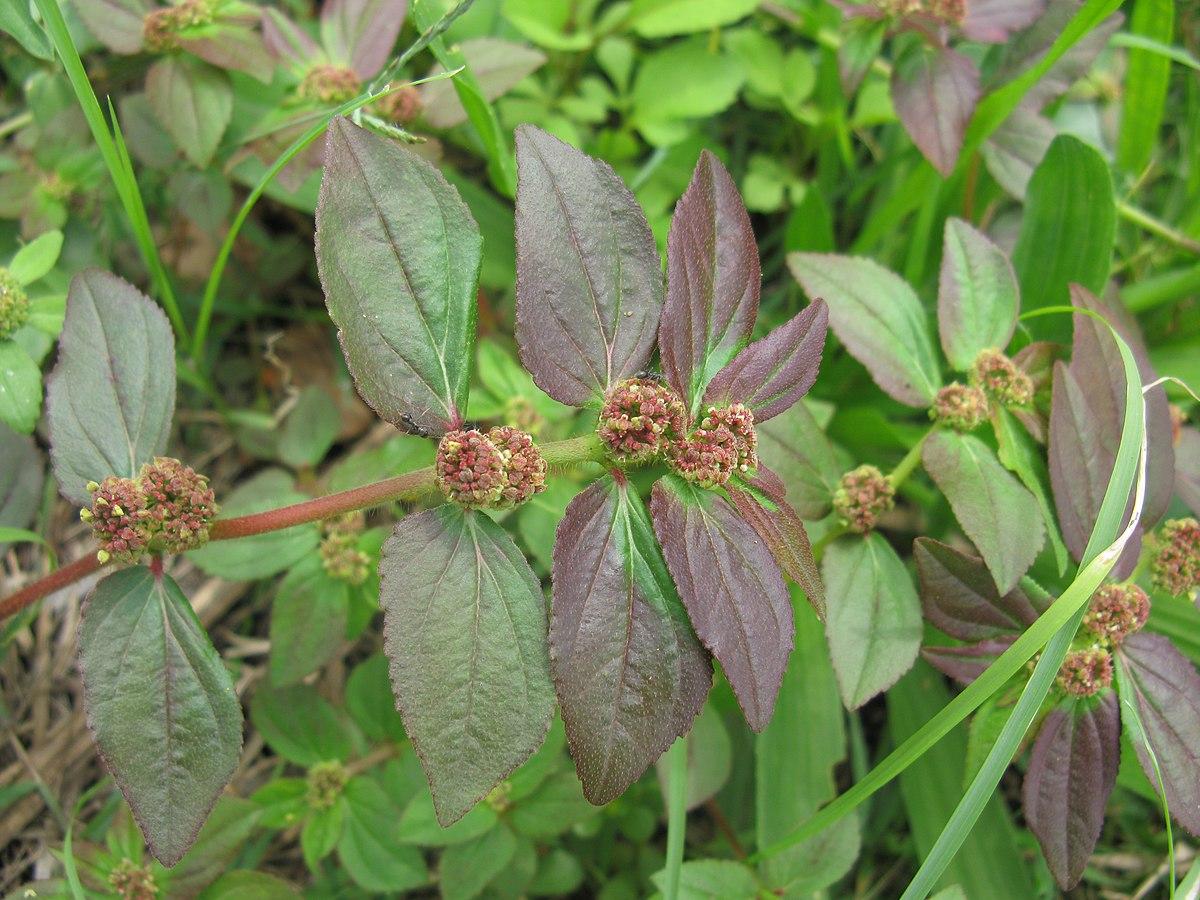
Chamaesyce hirta (Malonmen) : vertus médicinales en extraction alcoolique
Chamaesyce hirta (Malonmen) — famille Euphorbiacées.
Sources externes reconnues associées à cette monographie : TRAMIL et Pharmacopée française.
Cette base documente les extractions alcooliques (éthanol) des substances actives. Notre monographie recense actuellement 29 indications en extraction alcoolique pour cette espèce. La monographie s’appuie sur 75 références scientifiques enregistrées pour l’espèce.
Indications thérapeutiques en extraction alcoolique :
Note : les extraits de références scientifiques sont conservés dans leur langue d’origine (le plus souvent l’anglais), sans traduction, afin de respecter le texte source des publications.
- Infection bacterienne : Partie usitée : Feuille. Profil pharmacologique documenté : Amoxicilline-like, Gentamycine-like, Chloramphenicol-like, Vancomycine-like.
Selon Ogbulie JN (2007) : The agar diffusion method was used to determine the antibacterial activity against Staphylococcus aureus, Escherichia coli, Pseudomonas aeruginosa, Salmonella typhi and Bacillus subtilis at different concentrations while toxicological studies was carried out through intraperitoneal injection of albino rat with varying concentrations of the extract. typhi was not affected. Selon Ogueke CC (2007) : The agar diffusion method was used to determine the antibacterial activity on Staphylococcus aureus, E coli, Pseudomonas aeruginosa, Salmonella typhi and Bacillus subtilis at different concentrations while it was tested for toxicity on albino rats by injecting varying concentrations of the extracts through the intraperitoneal route. - Cancer : Partie usitée : Plante entière.
Selon ANITHA P (2014) : Ethanolic leaf extract of Euphorbia hirta was tested for its cytotoxicity against Dalton Lymphoma Ascites (DLA) and Ehrlich Ascites Carcinoma (EAC) cell lines using preliminary screening technique (Trypan Blue method and standard MTT colorimetric method). In the present study, in vitro anticancer effects of Euphorbia hirta were investigated. Selon Sidambaram RR (2011) : The extract showed dose dependent antitumor activity. - Acné : Partie usitée : Racine. Profil pharmacologique documenté : Clindamycine-like.
Selon Kumar GS (2007) : Propionibacterium acnes & Staphylococcus epidermidis have been recognized as pus-forming bacteria triggering an inflammation in acne. The MIC values were the same (0.049 mg/ml) for both bacterial species and the MBC values were 0.049 & 0.165 mg/ml against Propionibacterium acnes and Staphylococcus epidermidis, respectively. Selon Ogbulie JN (2007) : The agar diffusion method was used to determine the antibacterial activity against Staphylococcus aureus, Escherichia coli, Pseudomonas aeruginosa, Salmonella typhi and Bacillus subtilis at different concentrations while toxicological studies was carried out through intraperitoneal injection of albino rat with varying concentrations of the extract.
D’autres indications (y compris d’autres modes d’extraction le cas échéant), posologies, précautions d’emploi et le détail des références scientifiques sont disponibles dans la fiche monographique complète.
Base médicinale Lapotitjéri di la Nati
Extraits éthanoliques des substances actives — monographies, indications, posologies et références pour professionnels de santé. Ethnopharmacologue Emmanuel Nossin.
→ Rechercher Chamaesyce hirta dans la base (abonnement requis)
Crédit photo : Photo de Harry Rose from South West Rocks, Australia sans modification (CC BY 4.0). Licence : CC BY 4.0.