
Chenopodium ambrosioides (Simen-kontra) : vertus médicinales en extraction alcoolique
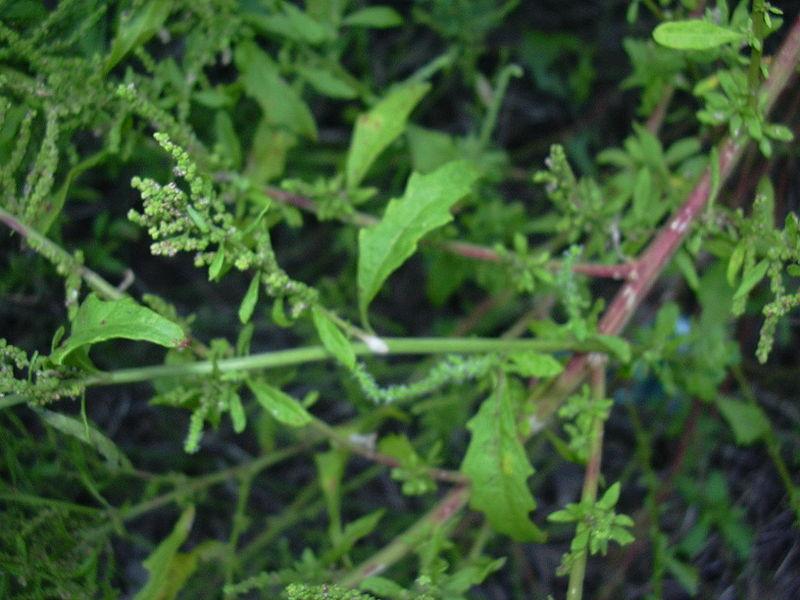
Chenopodium ambrosioides (Simen-kontra) : vertus médicinales en extraction alcoolique
Chenopodium ambrosioides (Simen-kontra) — famille Chénopodiacées.
Sources externes reconnues associées à cette monographie : TRAMIL et Pharmacopée française.
Cette base documente les extractions alcooliques (éthanol) des substances actives. Notre monographie recense actuellement 20 indications en extraction alcoolique pour cette espèce. La monographie s’appuie sur 116 références scientifiques enregistrées pour l’espèce.
Indications thérapeutiques en extraction alcoolique :
Note : les extraits de références scientifiques sont conservés dans leur langue d’origine (le plus souvent l’anglais), sans traduction, afin de respecter le texte source des publications.
- Cancer : Partie usitée : Feuille. Profil pharmacologique documenté : Doxorubicine-like.
Selon ASSEF ANB (2025) : Previous studies have also suggested its antitumor potential. However, its role in oral squamous cell carcinoma (OSCC) remains unexplored. Selon Nascimento FRF (2006) : The tumor cells were implanted on the left footpad (solid tumor) or in the péritonéal cavity (ascitic tumor). - Helminthiasen du poulet (Gallus-gallus) : Partie usitée : Feuille. Profil pharmacologique documenté : Thiabendazole-like, Mebendazole-like.
Selon VITA GF (s.d.) : Presence of the genera Ascaridia (35.00%), Capillaria (30.00%), Hetarakis (25.00%) & Strongyloides (10.00%) was displayed by this survey. The aim was to test in vitro & in vivo the effectiveness of the medicinal plant Chenopodium ambrosioïdes regarding phytotherapeutic & homeopathic alternative methods to control endoparasites of Gallus Gallus Linnaeus, 1758 (free range chicken), a serious problem affecting domestic poultry performance causing losses, retarded development, decreased food conversion rate & increase of susceptibility to infectious diseases. Selon VITA GF (2015) : Presence of the genera Ascaridia & Eimeria was displayed by this survey. - Arthrose, arthrite, rhumatisme, oedeme : Partie usitée : Feuille. Profil pharmacologique documenté : Kétoprofène-like.
Selon Ibironke GF (2007) : A methanol extract of the dried leaves of Chenopodium ambrosioides was investigated for anti-inflammatory and analgesic activities. The results of the present study further confirm the use of CA traditionally for the treatment of painful inflammatory conditions. Selon Grassi LT (2011) : Aim of the study : The aim of the present study was to further the understanding of the antinociceptive, anti-inflammatory & wound healing effects of ethanol extract (EE) obtained from the leaves & stems of Chenopodium ambrosioïdes in animal models of acute pain, inflammation & wound healing, thus supporting its medicinal use for the treatment of pain & inflammatory conditions.
D’autres indications (y compris d’autres modes d’extraction le cas échéant), posologies, précautions d’emploi et le détail des références scientifiques sont disponibles dans la fiche monographique complète.
Base médicinale Lapotitjéri di la Nati
Extraits éthanoliques des substances actives — monographies, indications, posologies et références pour professionnels de santé. Ethnopharmacologue Emmanuel Nossin.
→ Rechercher Chenopodium ambrosioides dans la base (abonnement requis)
Crédit photo : Photo de Forest & Kim Starr sans modification (CC BY 3.0). Licence : CC BY 3.0.