Acacia nilotica (Akasia-Kayenn’) : medicinal properties | Lapo
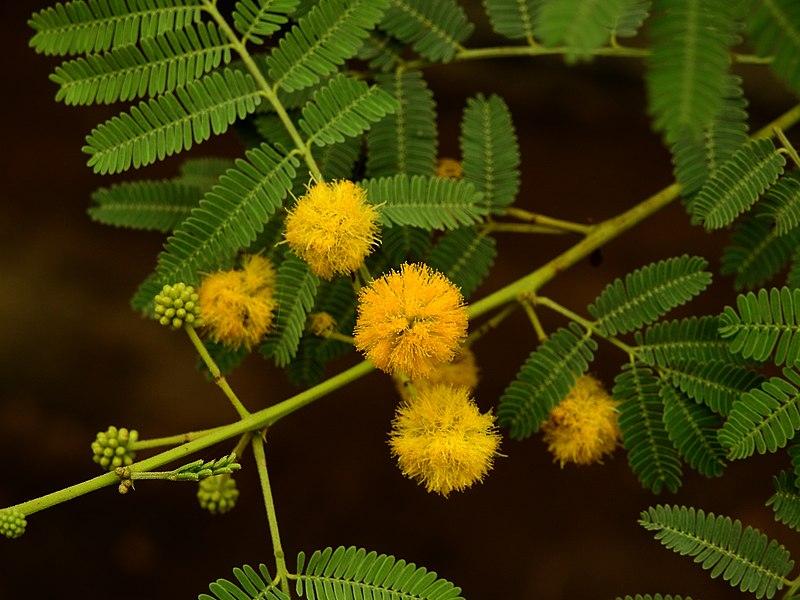
Acacia nilotica (Akasia-Kayenn’) : medicinal properties in alcoholic extraction
Acacia nilotica (Akasia-Kayenn’) — family Mimosacées.
This database documents alcoholic (ethanol) extractions of active substances. Our monograph currently lists 9 indications in alcoholic extraction for this species. The monograph draws on 53 scientific references recorded for the species.
Therapeutic indications in alcoholic extraction:
Note: scientific reference excerpts are kept in their original language (most often English), without translation, to respect the source text of publications.
- Bacterial infection : Plant part used: root. Documented pharmacological profile: Recophine-like, Pefloxacine-like.
According to Okoro SO (2014): The extract fractions generally exhibited marked antibacterial activities on Klebsiella pneumoniae, Pseudomonas aeruginosa, Proteus vulgaris, Salmonella typhi, Shigella dysenteriae Staphylococcus aureus & Escherichia coli except on Streptococcus pneumoniae & Streptococcus pyogenes. In-vitro agar-diffusion sensitivity tests of crude extract fractions of the plant extracts using ethanol, chloroform, methanol, petroleum ether, water & ethyl acetate were investigated on nine bacterial isolates. According to Elamary RB (2020): Escherichia coli is by far the most prevalent causative agent with the percentage of 73.7% followed by Klebsiella pneumoniae, Proteus mirabilis, Pseudomonas aeruginosa, & Acinetobacter baumannii. - Dental plaque, periodontitis, tooth decay : Plant part used: Sheet. Documented pharmacological profile: Chlorhexidine-like. Mentioned synergistic association: Eucalyptus sp, association synergique avec MURRAYA KOENIGII-(L)-Spreng (Feuille), Psidium guajava-feuilles.
According to Fadh il Y (2021): The study suggests that water leaves extract of “Babool"can be used as an alternative strategy for treatment of dental pulp through chondrogenic differentiation. According to Kabbashi AS (2016): Human parasitic infections still represent a challenging public health problem worldwide, especially in tropical & subtropical regions. - Giardiasis : Plant part used: TRUNK. Documented pharmacological profile: Métronidazole-like.
According to Kabbashi AS (2016): Giardiasis is the most common cause of parasitic gastro-intestinal disease and up to two hundred million people are chronically infected with Giardia lamblia globally with 500,000 new cases reported annually. Method: The ethanolic extract of AN bark, with different concentrations (500, 250 & 125 ppm) were investigated together with Metronidazole as a reference control at 312.5 μg/ml against Giardia lamblia trophozoites.
Further indications (including other extraction modes where applicable), dosages, precautions for use and full scientific references are available in the complete monograph.
Lapotitjéri di la Nati medicinal database
Ethanolic extracts of active substances — monographs, indications, dosages and references for healthcare professionals. Ethnopharmacologist Emmanuel Nossin.
→ Search Acacia nilotica in the database (subscription required)
Photo credit : Photo de Varinder Naturaphile sans modification (CC BY-SA 4.0). License : CC BY-SA 4.0.