
Aframomum melegueta (Pwèv-Djinen) : medicinal properties | Lapo
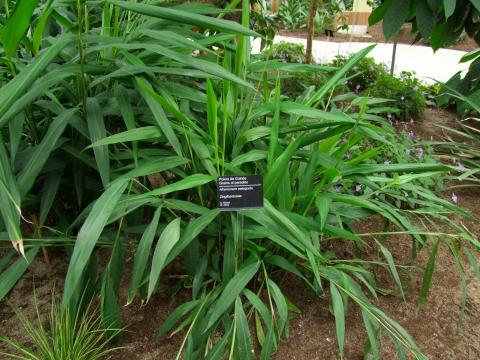
Aframomum melegueta (Pwèv-Djinen) : medicinal properties in alcoholic extraction
Aframomum melegueta (Pwèv-Djinen) — family Zingiberacées.
This database documents alcoholic (ethanol) extractions of active substances. Our monograph currently lists 11 indications in alcoholic extraction for this species. The monograph draws on 55 scientific references recorded for the species.
Therapeutic indications in alcoholic extraction:
Note: scientific reference excerpts are kept in their original language (most often English), without translation, to respect the source text of publications.
- Plant fungi : Plant part used: SHEET. Documented pharmacological profile: Dowicide-like.
According to Okoi AI (2013): The microbial pathogens isolated were Rhizopus stolonifer, Fusarium culmorum, Sclerotinia sclerotiorum and Penicillium expansum. melegueta is comparable with Dowicide in the in vitro inhibition of mycelia growth of the fungi. According to Okigbo RN (2006): flavus, Fusarium oxysporum Rhizopus stolonifer, Botryodiplodia theobromae & Penicillium chrysogenum. - Osteoarthritis, arthritis, rheumatism : Plant part used: Seed. Documented pharmacological profile: Aspirine-like, Vioxx-like.
According to Ilic N (2010): Schum.) seeds are used in West Africa as a remedy for variety of ailments such as stomach ache, snakebite, diarrhea & they have reported anti-inflammatory properties. Additionally, the seeds contain gingerols & related compounds that may be useful against cardiovascular disease, diabetes, & inflammation. According to Akindele O (2022): The aim of this review is to provide a detailed evaluation of available information on plant species used in African traditional medicines with antiviral, anti-inflammatory, immunomodulatory, & COVID-19 symptoms relieving effects. - Bacterial infection : Plant part used: Seed. Documented pharmacological profile: Chloramphénicol-like.
According to OGODO AC (2017): The antibacterial & Antimycotic activity of Aframomum melegueta seeds were investigated against Escherichia coli, Staphylococcus aureus, Pseudomonas aeruginosa, Salmonella species, Klebsiella species, Bacillus species, Fusarium species, Rhizopus species, Aspergillus species, Penicillium species & Mucor species isolated from spoiled bread & tomatoes using agar well diffusion method. The result showed that the ethanol extract exhibited higher antibacterial activity more than the aqueous extract with Bacillus sp having the highest zone of inhibition (28mm, 23mm), followed by Salmonella sp. According to DOHERTY VF (2010): Antibacterial activity of Aframomum melegueta was tested on salmonella spp, Escherichia coli, Shigella spp & Klebsiella spp.
Further indications (including other extraction modes where applicable), dosages, precautions for use and full scientific references are available in the complete monograph.
Lapotitjéri di la Nati medicinal database
Ethanolic extracts of active substances — monographs, indications, dosages and references for healthcare professionals. Ethnopharmacologist Emmanuel Nossin.
→ Search Aframomum melegueta in the database (subscription required)
Photo credit : Photo by Bamba Tubaab without modification (CC BY 4.0). License : CC BY 4.0.