
Aloe vera (Lalwé) : medicinal properties | Lapo
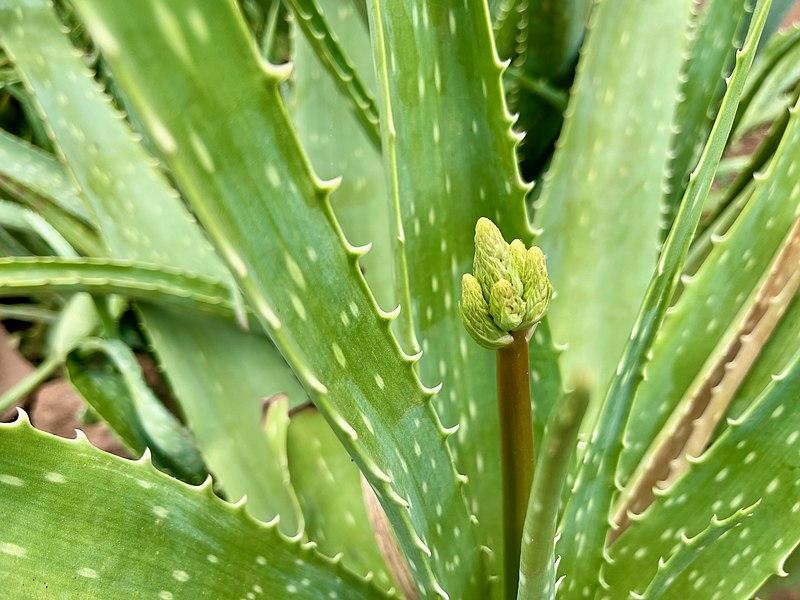
Aloe vera (Lalwé) : medicinal properties in alcoholic extraction
Aloe vera (Lalwé) — family Asphodeliacées.
Recognised external sources linked to this monograph: TRAMIL and French Pharmacopoeia.
This database documents alcoholic (ethanol) extractions of active substances. Our monograph currently lists 15 indications in alcoholic extraction for this species. The monograph draws on 59 scientific references recorded for the species.
Therapeutic indications in alcoholic extraction:
Note: scientific reference excerpts are kept in their original language (most often English), without translation, to respect the source text of publications.
- Fungal infection : Plant part used: SHEET (GEL). Mentioned synergistic association: Murraya koenigii, Senna alata-feuilles.
According to Author (2011): This is an indication that the extract has the potential to treat plant fungal infections. The antifungal activity was determined by the agar-well diffusion method against plant & human fungal pathogens. - Tooth decay, dental plaque, periodontitis : Plant part used: SHEET (GEL). Documented pharmacological profile: Chlorhexidine-like.
According to Ehsani M (2013): In addition to the above bacterium, the Aloe vera gel effect on Staphylococcus aureus & Streptococcus mutans was evaluated. The MICs for Propolis ethanolic extracts, Aloe vera gel & aqueous extract of Propolis (0% alcohol) were 313 µg/ml, 750 µg/ml, 2250 µg/ml & ≥ 500 µg/ml respectively, much higher than the Chlorhexidine one. According to OKEKE I (2025): The extracts were subjected to qualitative phytochemical screening & assessed for antimicrobial activity against Staphylococcus aureus, Pseudomonas aeruginosa, & Candida albicans using the agar well diffusion method. - Bacterial infection : Plant part used: SHEET (GEL). Documented pharmacological profile: Ciprofloxacine-like.
According to Erhabor OJ (2020): Five test bacterial isolates: Escherichia coli, Klebsiella pneumoniae, Proteus mirabilis, Pseudomonas aeruginosa & Staphylococcus saprophyticus) were found susceptible to the ethanolic extract of AB root. According to OKEKE I (2025): The extracts were subjected to qualitative phytochemical screening & assessed for antimicrobial activity against Staphylococcus aureus, Pseudomonas aeruginosa, & Candida albicans using the agar well diffusion method. aureus, 12.5 mg/mL against P.
Further indications (including other extraction modes where applicable), dosages, precautions for use and full scientific references are available in the complete monograph.
Lapotitjéri di la Nati medicinal database
Ethanolic extracts of active substances — monographs, indications, dosages and references for healthcare professionals. Ethnopharmacologist Emmanuel Nossin.
Photo credit : Photo by Kaweesaesther without modification (CC BY-SA 4.0). License : CC BY-SA 4.0.