
Ananas comosus (Zannanna) : medicinal properties | Lapo
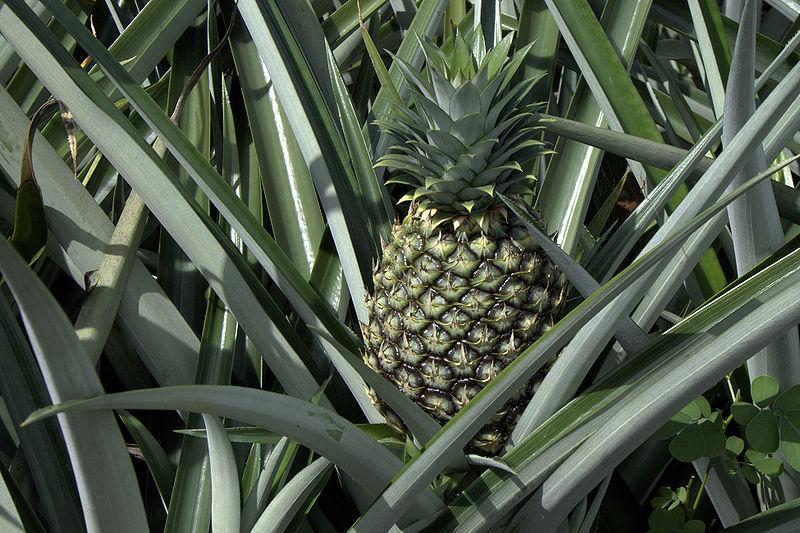
Ananas comosus (Zannanna) : medicinal properties in alcoholic extraction
Ananas comosus (Zannanna) — family Broméliacées.
This database documents alcoholic (ethanol) extractions of active substances. Our monograph currently lists 9 indications in alcoholic extraction for this species. The monograph draws on 31 scientific references recorded for the species.
Therapeutic indications in alcoholic extraction:
Note: scientific reference excerpts are kept in their original language (most often English), without translation, to respect the source text of publications.
- Memory disorder : Plant part used: Fruit. Documented pharmacological profile: Rivastigmine-like, Exelon-like.
According to Amir Abbas Momtazi-borojeni (n.d.): Animals were randomly assigned into 15 groups of 6 each including: control group (normal saline + vehicle), positive control group (scopolamine + Rivastigmine) seven experimental groups (received scopolamine alone or scopolamine + ethanolic extract of pineapple in different doses), six other experimental groups were treated by ethanolic extract or juice of pineapple in different doses. Object recognition task was used to evaluate the mice memory. - Hypercholesterolaemia, hyperlipidaemia, hypertriglyceridaemia : Plant part used: Sheet. Documented pharmacological profile: Fenofibrate-like, Statine-like.
According to Xie W (n.d.): In this study, we investigated hypolipidemic mechanisms of the ethanolic extract of Ananas comosus L. Furthermore, 2 months of Fenofibrate (0.20 g/kg) administration particularly increased mice liver weights (0.0760 +/- 0.0110 g/g) while AC (0.40 g/kg) had no effect (0.0403 +/- 0.0047). According to Xie W (2005): After 15 days of treatment of diabetic dyslipidemia rats, EEACL significantly decreased blood glucose (-51.0%, P < 0.01), TG (-50.1%, P < 0.01), TC (-23.3%, P < 0.01), LDL-c (-47.9%, P < 0.01) & glycated albumin (-25.4%, P < 0.01) levels, significantly increased serum high-density lipoprotein cholesterol levels (66.2%, P < 0.01) & prevented lower body weight of diabetes (11.8%, P < 0.05), significantly lowered lipid peroxidation productions of blood (-27.8%, P < 0.01), Brain (-31.6%, P < 0.05), liver (-44.5%, P < 0.01) & kidneys (-72.2%, P < 0.05) compared with those in untreated diabetic dyslipidemia rats. - Tick : Plant part used: Fruit. Documented pharmacological profile: Flumetrine-like.
According to Leesombun A (2019): Main tick species carrying the infective agents in Thailand is Rhipicephalus sanguineus s. Various types of chemical substances, as well as plant ingredients, have been used for tick control, but development of resistance to anti-tick synthetic chemicals poses problems.
Further indications (including other extraction modes where applicable), dosages, precautions for use and full scientific references are available in the complete monograph.
Lapotitjéri di la Nati medicinal database
Ethanolic extracts of active substances — monographs, indications, dosages and references for healthcare professionals. Ethnopharmacologist Emmanuel Nossin.
→ Search Ananas comosus in the database (subscription required)
Photo credit : Photo by Markus Leupold-Löwenthal without modification (CC BY-SA 3.0). License : CC BY-SA 3.0.