
Apium graveolens (Celery) : medicinal properties | Lapo
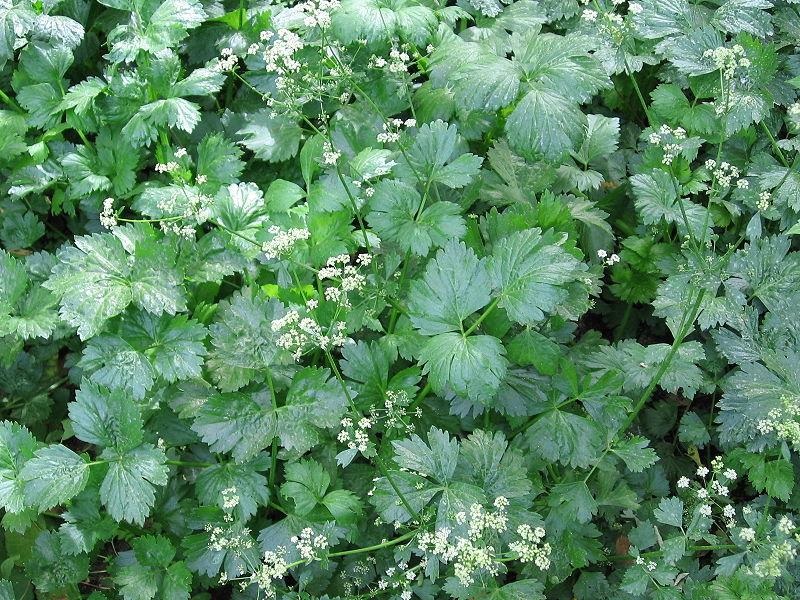
Apium graveolens (Celery) : medicinal properties in alcoholic extraction
Apium graveolens (Celery) — family Apiacées.
Recognised external sources linked to this monograph: TRAMIL and French Pharmacopoeia.
This database documents alcoholic (ethanol) extractions of active substances. Our monograph currently lists 22 indications in alcoholic extraction for this species. The monograph draws on 114 scientific references recorded for the species.
Therapeutic indications in alcoholic extraction:
Note: scientific reference excerpts are kept in their original language (most often English), without translation, to respect the source text of publications.
- Cancer : Plant part used: Root. Documented pharmacological profile: Doxorubicine-like.
According to Yin F (2001): These results suggest that apigenin is a promising antibreast cancer agent & its growth inhibitory effects are mediated by targeting different signal transduction pathways in MCF-7 & MDA-MB-468 breast carcinoma cells,. In this study, we assessed the growth inhibitory effect of apigenin on MCF-7 breast carcinoma cells that express two key cell cycle regulators, wild-type p53 and the retinoblastoma tumor suppressor protein (Rb), & MDA-MB-468 breast carcinoma cells that are mutant for p53 and Rb negative. According to Rakad M (2010): Present study was designed to evaluate anticancer effect of Apium graveolens seed extracts (aqueous, ethanolic & hexane extracts) in vitro on two cell lines (RD and L20B) using different concentrations of AG seed extracts (6.25, 12.5, 25, 50, 100 and 200 μg/ml) for an incubation period of 48 hours. - Dyslipidaemia : Plant part used: Seed. Documented pharmacological profile: Fenofibrate-like, Atorvastatine-like.
According to Ahmed QS (2012): Blood lipid profile & liver lipids of all the groups were tested at the end of 12 weeks. Results: Blood lipid profile was found to be deranged in the group of mice treated with Ritonavir. According to Kamel M (2003): graveolens in the treatment of hyperlipidemia; it could possibly lead to appropriate changes in blood lipid profiles. - High blood pressure, oedema, fluid retention : Plant part used: Seed. Documented pharmacological profile: Spironolactone-like.
According to Moghaden H (2013): The hexanic, methanolic & aqueous-ethanolic extracts were administered intraperitoneally & their effects on BP & heart rate (HR) were evaluated in comparison with Spironolactone as a diuretic & positive control. This study investigated the effects of different celery (Apium graveolens) seed extracts on blood pressure (BP) in normotensive & deoxycorticosterone acetate-induced hypertensive rats. According to RAD MS (2022): The blood pressure was assessed using a 24-hr ambulatory blood pressure monitoring method.
Further indications (including other extraction modes where applicable), dosages, precautions for use and full scientific references are available in the complete monograph.
Lapotitjéri di la Nati medicinal database
Ethanolic extracts of active substances — monographs, indications, dosages and references for healthcare professionals. Ethnopharmacologist Emmanuel Nossin.
→ Search Apium graveolens in the database (subscription required)
Photo credit : Photo by Digigalos without modification (CC BY-SA 3.0). License : CC BY-SA 3.0.