Artemisia annua (Chinese mugwort) : medicinal properties | Lapo
Artemisia annua (Chinese mugwort) : medicinal properties in alcoholic extraction
Artemisia annua (Chinese mugwort) — family Astéracées.
This database documents alcoholic (ethanol) extractions of active substances. Our monograph currently lists 27 indications in alcoholic extraction for this species. The monograph draws on 69 scientific references recorded for the species.
Therapeutic indications in alcoholic extraction:
Note: scientific reference excerpts are kept in their original language (most often English), without translation, to respect the source text of publications.
- Bacterial infection : Plant part used: Sheet. Documented pharmacological profile: Gentamycine-like.
According to OWUNA G (2013): The minimum inhibitory concentration value of the ethanolic extract was 125 mg/ml for each of the test organisms: Escherichia coli, Streptococcus faecalis Pseudomonas aeruginosa, Klebsiella pneumoniae, Candida albicans & Staphylococcus aureus. studies were carried out on antimicrobial effects & phytoconstituents of Ethanolic extract of leaves of Artemisia annua. According to Allemailem KS (2022): faecalis), Klebsiella pneumoniae (K. - Mosquito control : Plant part used: Sheet.
According to Asiry KA (2017): This study was conducted to evaluate the efficacy of ethanolic leaf extracts from four selected local plants, Citrullus colocynthys (bitter apple), Artemisia annua (sweet wormwood), Pergularia tomentosa (Fat Taka), & Rhanterium epapposum (Arfal), from Hal region, northern Saudi Arabia, against the larval stages of the Dengue fever vector, Aedes aegypti. annua were more toxic to the 4th instar larvae of A Aegypti compared to the other two plants. According to OGBONA CIC (2010): The extracts (leaves and seeds) were tested singly and in combinations for their insecticidal activities at different concentrations (1.0mg/litre, 2.0mg/litre, 4.0 mg/litre and 5.0mg/litre) on Anopheles gambiae 4th instar larvae, pupae and adult females. - Helminthiasis : Plant part used: Sheet.
Further indications (including other extraction modes where applicable), dosages, precautions for use and full scientific references are available in the complete monograph.
Lapotitjéri di la Nati medicinal database
Ethanolic extracts of active substances — monographs, indications, dosages and references for healthcare professionals. Ethnopharmacologist Emmanuel Nossin.
→ Search Artemisia annua in the database (subscription required)
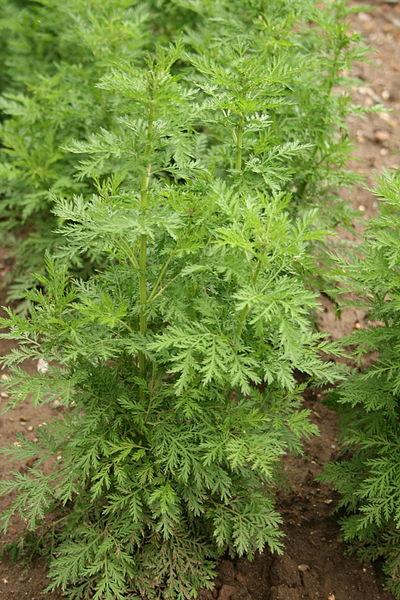
Photo credit : Photo by Natalie Schmalz without modification (CC BY-SA 3.0). License : CC BY-SA 3.0.