
Artemisia vulgaris (Labsent) : medicinal properties | Lapo
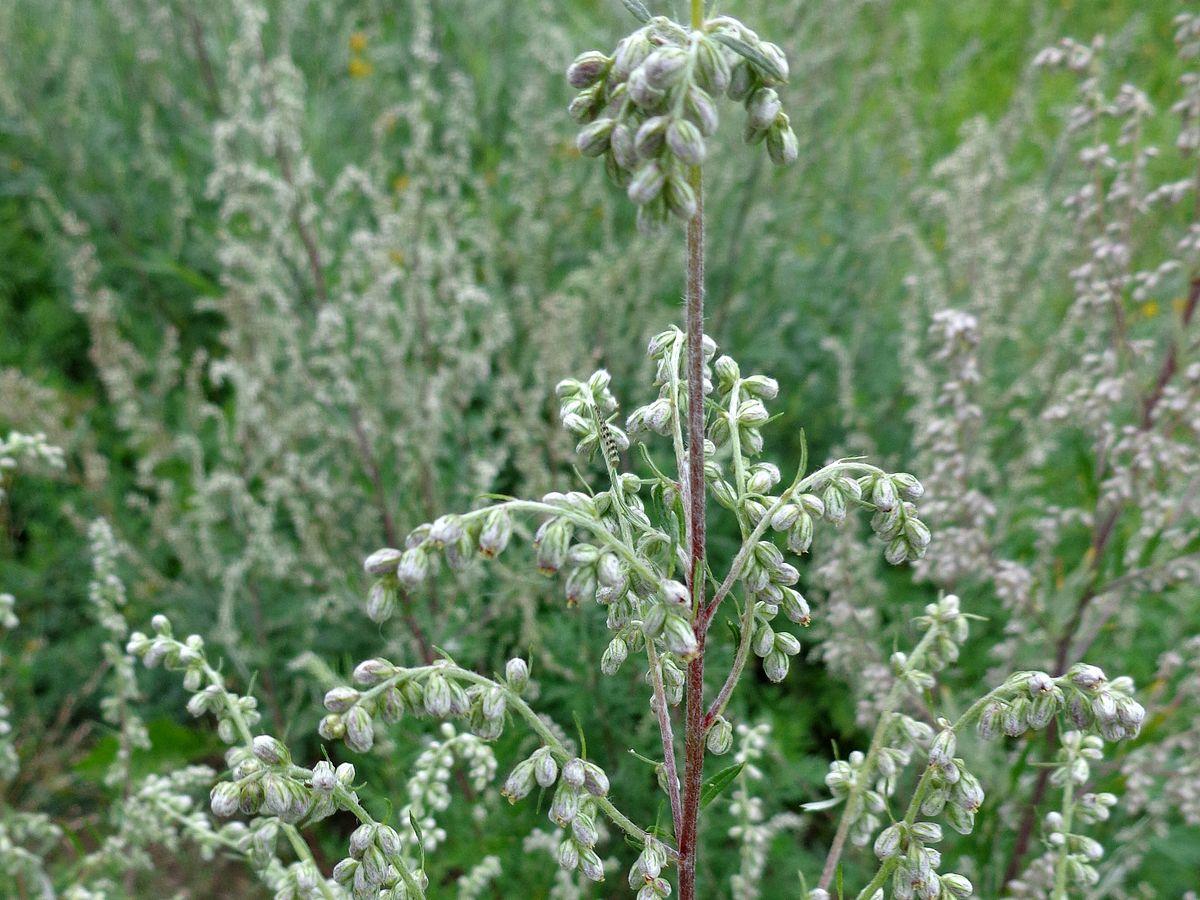
Artemisia vulgaris (Labsent) : medicinal properties in alcoholic extraction
Artemisia vulgaris (Labsent) — family Asteracées.
Recognised external sources linked to this monograph: French Pharmacopoeia.
This database documents alcoholic (ethanol) extractions of active substances. Our monograph currently lists 22 indications in alcoholic extraction for this species. The monograph draws on 152 scientific references recorded for the species.
Therapeutic indications in alcoholic extraction:
Note: scientific reference excerpts are kept in their original language (most often English), without translation, to respect the source text of publications.
- Trichomoniasis : Plant part used: Other. Documented pharmacological profile: Metronidazole-like.
According to AKSOY T (2026): Leishmania major & Trichomonas vaginalis infections pose a significant global health burden, while current treatments are limited by toxicity, resistance, & restricted accessibility. Amphotericin B & Metronidazole served as reference drugs. - Bacterial infection : Plant part used: Sheet. Documented pharmacological profile: Ampicilline-like, Ciprofloxine-like, Gentamycine-like, Ofloxacine-like, Tetracycline-like.
According to Hiremath S K (2011): The antimicrobial activity of aqueous, alcoholic, petroleum ether & Benzene extract of leaves of the plant were studied using Escherichia coli and Staphylococcus aureus, as test organisms. The petroleum ether and benzene extracts of plant have shown significant activity against Escherichia coli and Staphylococcus aureus. According to Hrystyk RA (2021): species extracts & to identify their synergistic antimicrobial effects with erythromycin against skin isolates of Staphylococcus aureus with different mechanisms of MLS-resistance.Materials & methods: Artemisia absinthium L. - Osteoarthritis, arthritis, rheumatism, oedema : Plant part used: Above-ground section. Documented pharmacological profile: Ibuprofène-like.
According to Pandey J (2021): This study aimed to evaluate & compare the in vivo chronic anti-inflammatory efficacy, from the ethyl acetate & ethanolic extracts of Artemisia vulgaris leaves, grown at three different altitudes in Nepal, by formalin-induced paw edema in Swiss albino mice. The results suggested that the anti-inflammatory effect of AV leaves increases with an increase in altitudes & this plant can be used as a useful source of medicine to treat chronic inflammation. According to Ivanescu B (2021): For these experiments, we employed nociception models using thermal stimulus (hot plate & tail immersion tests, t= 52.5 0 C; 30, 60 & 90 minutes testing), chemical stimulus (Zymosan-induced abdominal constriction response test, using distinct lots & testing at 60, 90 & 120 minutes after administration of samples) & pressure stimulus (Randall Selitto test) & an inflammation model for the evaluation of inflammatory edema by Plethysmometer test.
Further indications (including other extraction modes where applicable), dosages, precautions for use and full scientific references are available in the complete monograph.
Lapotitjéri di la Nati medicinal database
Ethanolic extracts of active substances — monographs, indications, dosages and references for healthcare professionals. Ethnopharmacologist Emmanuel Nossin.
→ Search Artemisia vulgaris in the database (subscription required)
Photo credit : Photo by AfroBrazilian without modification (CC BY 4.0). License : CC BY 4.0.