
Asystasia gangetica (the vagabond) : medicinal properties | Lapo
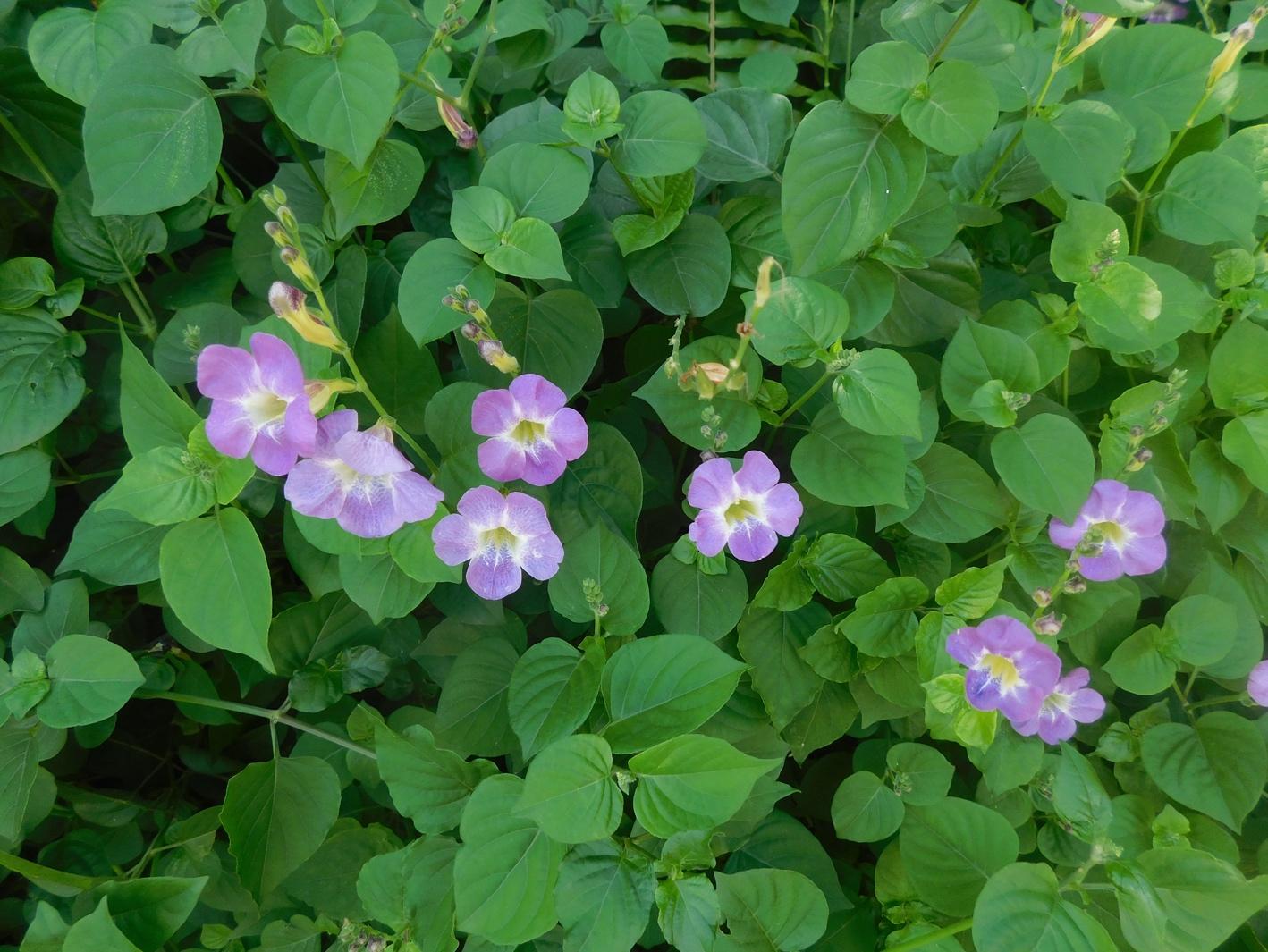
Asystasia gangetica (the vagabond) : medicinal properties in alcoholic extraction
Asystasia gangetica (the vagabond) — family Acanthacées.
This database documents alcoholic (ethanol) extractions of active substances. Our monograph currently lists 15 indications in alcoholic extraction for this species. The monograph draws on 47 scientific references recorded for the species.
Therapeutic indications in alcoholic extraction:
Note: scientific reference excerpts are kept in their original language (most often English), without translation, to respect the source text of publications.
- Type II diabetes mellitus : Plant part used: Sheet. Documented pharmacological profile: Glibenclamide-like.
According to Kuppusamy (2010): Kuppusamy et al, Antidiabetic, hypolipidemic & antioxidant properties of Asystasia gangetica in streptozotocin-nicotinamide-induced type 2 diabetes mellitus (NIDDM) in rats J of Pharm Res, 2010, 310:2516,. According to Hussain MM (2017): The study evaluates anti-diabetic activity of ethanolic & aqueous extract of whole plant of Asystasia gangetica on streptozotocin induced diabetes in rats. The results exhibited potent antihyperglycaemic activity in normal & STZ induced diabetic rats so it might be useful in the treatment of diabetes. - Osteoarthritis, arthritis, rheumatism, oedema : Plant part used: Whole plant. Documented pharmacological profile: Indométacine-like.
According to Adeyemi OO (2011): Its anti-inflammatory effect was evaluated using carrageenan induced rat paw oedema and xylene induced mouse ear oedema models. The results show that the aqueous stem & leaf extract of AG possesses analgesic & antiinflammatory activities. According to Hussain M (2016): Analgesic activity was determined by two different methods (tail immersion & hot plate) & anti-inflammatory activity was determined by three different methods (carrageenan, formalin induced paw edema & cotton pellet granuloma) at dose 200 & 400mg/kg b. - Pain, hyperalgesia : Plant part used: Whole plant. Documented pharmacological profile: Diclofénac-like, Tramadol-like.
According to Hussain M (2016): In the present study ethanolic & aqueous whole plant extract of Asystasia gangetica was investigated for analgesic & anti-inflammatory activity. wt in experimental animals using diclofenac sodium, Tramadol, Indomethacin as reference drugs. According to Adeyemi OO (2011): The results show that the aqueous stem & leaf extract of AG possesses analgesic & antiinflammatory activities.
Further indications (including other extraction modes where applicable), dosages, precautions for use and full scientific references are available in the complete monograph.
Lapotitjéri di la Nati medicinal database
Ethanolic extracts of active substances — monographs, indications, dosages and references for healthcare professionals. Ethnopharmacologist Emmanuel Nossin.
→ Search Asystasia gangetica in the database (subscription required)
Photo credit : Photo from the Traditional Martinique Pharmacopoeia.