
Catharanthus roseus (kaka-poul) : medicinal properties | Lapo
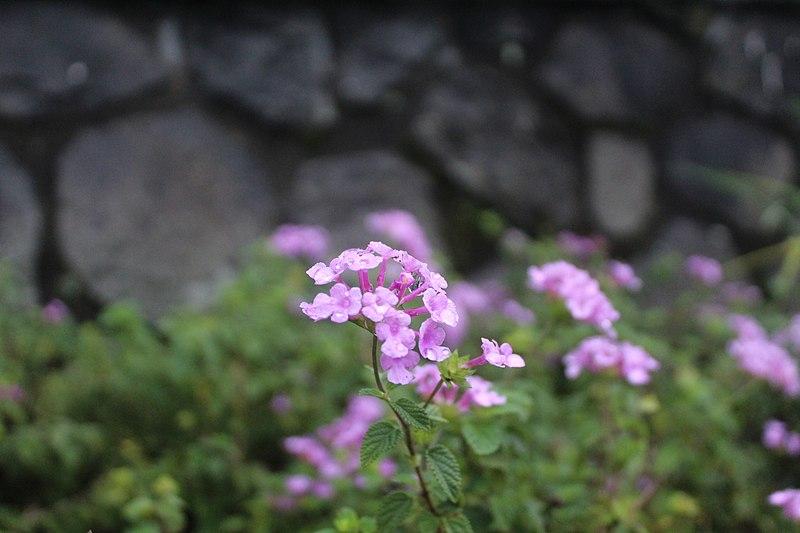
Catharanthus roseus (kaka-poul) : medicinal properties in alcoholic extraction
Catharanthus roseus (kaka-poul) — family Apocynacées.
Recognised external sources linked to this monograph: TRAMIL and French Pharmacopoeia.
This database documents alcoholic (ethanol) extractions of active substances. Our monograph currently lists 20 indications in alcoholic extraction for this species. The monograph draws on 105 scientific references recorded for the species.
Therapeutic indications in alcoholic extraction:
Note: scientific reference excerpts are kept in their original language (most often English), without translation, to respect the source text of publications.
- Fungal infection : Plant part used: Sheet. Documented pharmacological profile: Nystatine-like.
According to Kratika K (2013): The present study aims to determine the antifungal activity of C roseus against various clinically significant fungal strains (Candida albicans, Aspergillus fumigatus, Aspergillus niger, Fusarium moniliforme). Literature survey had not reflected any activity of C roseus against Fusarium moniliforme therefore; antifungal activity of C roseus against Fusarium moniliforme is reported for the first time. According to Balaabirami S (2012): Typhimurium (ATCC -13311), Salmonella paratyphi (MTCC‐735), Staphylococcus aureus (MTCC -740) & 2425), Aspergillus fumigatus (MTCC -9657), Candida albicans (MTCC- 183), Penicillium chrysogenum (MTCC- 160), Aspergillus flavus (AFG3) antifungal activity against Aspergillus niger (MTCC- by disc diffusion method. - Bacterial infection : Plant part used: Sheet. Documented pharmacological profile: Streptomycine-like.
According to Balaabirami S (2012): The antimicrobial activity has been checked against microorganisms like Escherichia coli (MTCC – 443), Klebsiella oxytoca (MTCC – 4676), K pneumoniae (MTCC- 7162), Proteus mirabilis (ATCC -49565), Pseudomonas aeruginosa (MTCC -5210), S. Typhimurium (ATCC -13311), Salmonella paratyphi (MTCC‐735), Staphylococcus aureus (MTCC -740) & 2425), Aspergillus fumigatus (MTCC -9657), Candida albicans (MTCC- 183), Penicillium chrysogenum (MTCC- 160), Aspergillus flavus (AFG3) antifungal activity against Aspergillus niger (MTCC- by disc diffusion method. According to GOVINDASAMY C (2012): subtilis), Escherichia coli (E. - Type II diabetes mellitus : Plant part used: Sheet. Documented pharmacological profile: Sitagliptine-like. Mentioned synergistic association: Sitagliptine.
According to Vega-Ávila E (2012): The aim of this study was to evaluate the hypoglycemic activity of extracts from the flower, leaf, stem, & root in normal & alloxan-induced diabetic mice. The blood glucose lowering activity of these extracts was determinate in healthy & alloxan-induced (75 mg/Kg) diabetic mice, after intraperitoneal administration (250 mg/Kg body weight). According to Al-Shaqha (2015): roseus & an expression of GLUT-2 & GLUT-4 gene in streptozotocin induced diabetic Wistar rats.
Further indications (including other extraction modes where applicable), dosages, precautions for use and full scientific references are available in the complete monograph.
Lapotitjéri di la Nati medicinal database
Ethanolic extracts of active substances — monographs, indications, dosages and references for healthcare professionals. Ethnopharmacologist Emmanuel Nossin.
→ Search Catharanthus roseus in the database (subscription required)
Photo credit : Photo by Daffa Hapidz without modification (CC BY-SA 4.0). License : CC BY-SA 4.0.