
Cedrela odorata (Kajou-santi) : medicinal properties | Lapo
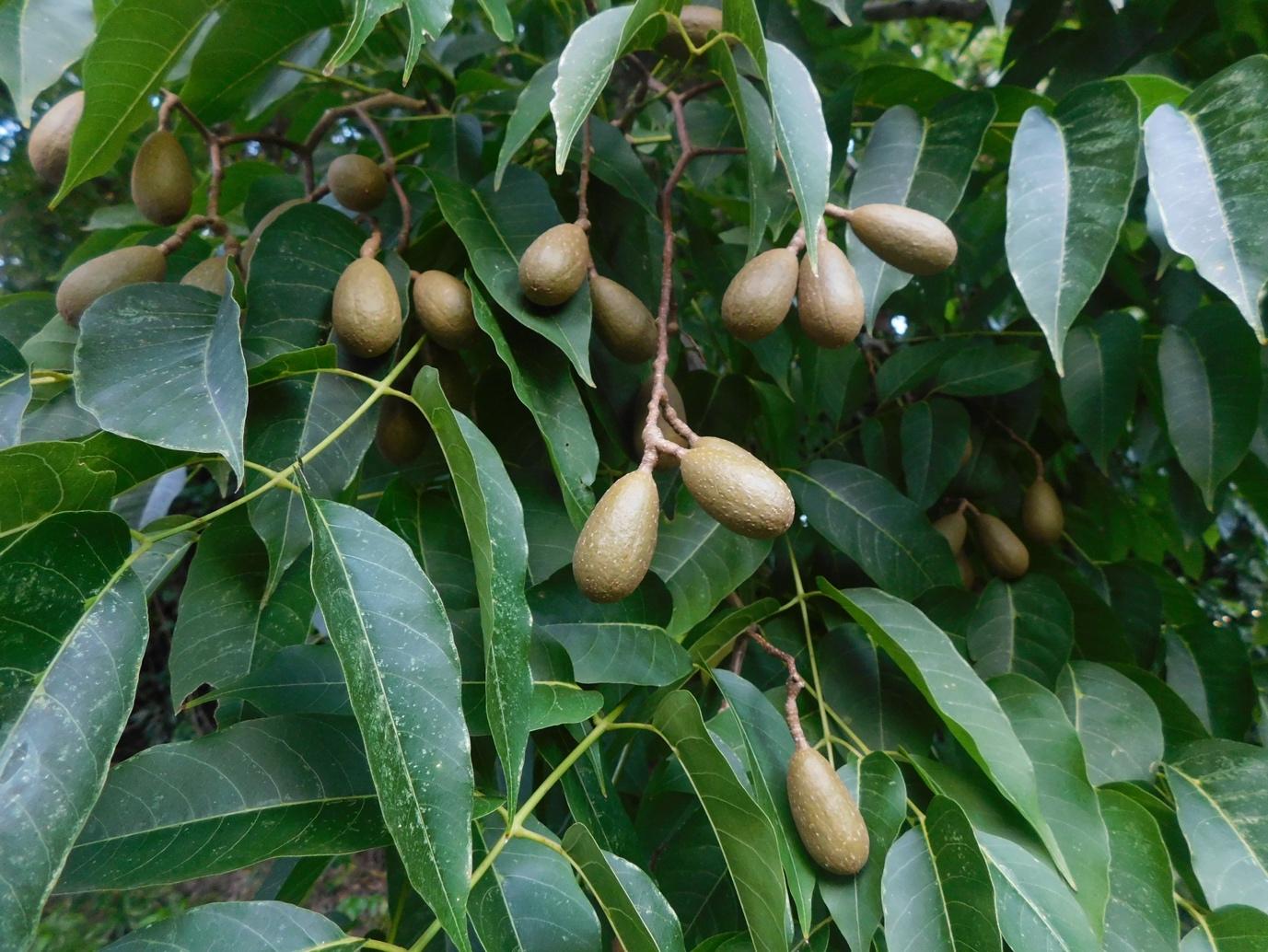
Cedrela odorata (Kajou-santi) : medicinal properties in alcoholic extraction
Cedrela odorata (Kajou-santi) — family Méliacées.
This database documents alcoholic (ethanol) extractions of active substances. Our monograph currently lists 10 indications in alcoholic extraction for this species. The monograph draws on 55 scientific references recorded for the species.
Therapeutic indications in alcoholic extraction:
Note: scientific reference excerpts are kept in their original language (most often English), without translation, to respect the source text of publications.
- Hypercholesterolaemia, triglycerides, dyslipidaemia : Plant part used: Bark. Documented pharmacological profile: Tyloxapol-like.
According to Almonte-Flores DC (2015): Both extracts reduced hepatic lipid peroxidation in diabetic rats. Polyphenolic extracts reduced cholesterol levels in a hypercholesterolaemic mouse model and decreased hepatic lipid peroxidation. - Bacterial infection : Plant part used: Sheet. Documented pharmacological profile: Ampicilline-like, Peflacine-like, Ceporex-like, AC. Nalidixique-like.
According to EO O (2013): All test organisms (Escherichia coli, Pseudomonas aeruginosa, Staphylococcus aureus, Bacillus subtilis, Aspergillus niger, Penicillium notatum, Mucor mucedo & Candida albicans) were found to be sensitive to both extracts. Sensitivity test for antimicrobial properties and activities of the leaf extracts were determined using Agar diffusion method. According to Govindachari TR (2000): Govindachari TR et al, Antifungal activity of some tetranortriterpenoids Fitoter. - Fungal infection : Plant part used: Sheet. Documented pharmacological profile: Nystatine-like.
According to EO O (2013): All test organisms (Escherichia coli, Pseudomonas aeruginosa, Staphylococcus aureus, Bacillus subtilis, Aspergillus niger, Penicillium notatum, Mucor mucedo & Candida albicans) were found to be sensitive to both extracts. Sensitivity test for antimicrobial properties and activities of the leaf extracts were determined using Agar diffusion method. According to VILLANUEVA ME (2009): odorata bark essential oil was screened for antimicrobial activity & showed appreciable activity against the Gram-positive bacterium Bacillus Cereus a&the Mold Aspergillus niger,.
Further indications (including other extraction modes where applicable), dosages, precautions for use and full scientific references are available in the complete monograph.
Lapotitjéri di la Nati medicinal database
Ethanolic extracts of active substances — monographs, indications, dosages and references for healthcare professionals. Ethnopharmacologist Emmanuel Nossin.
→ Search Cedrela odorata in the database (subscription required)
Photo credit : Photo from the Traditional Martinican Pharmacopoeia.