Citrullus lanatus (Watermelon) : medicinal properties | Lapo
Citrullus lanatus (Watermelon) : medicinal properties in alcoholic extraction
Citrullus lanatus (Watermelon) — family Cucurbitacées.
This database documents alcoholic (ethanol) extractions of active substances. Our monograph currently lists 17 indications in alcoholic extraction for this species. The monograph draws on 55 scientific references recorded for the species.
Therapeutic indications in alcoholic extraction:
Note: scientific reference excerpts are kept in their original language (most often English), without translation, to respect the source text of publications.
- Cancer : Plant part used: Stem. Documented pharmacological profile: Cyclosphamide-like.
According to YEŞİLYURT F (2024): The aim of the study is to evaluate the anticancer potential of watermelon seed extracts against lung & breast cancer cell lines. Results: For the A549 lung cell line, the KI extract demonstrated significant anticancer activity at doses of 10, 100, & 1000 μg/mL, with the 1000 μg/mL dose being the most effective against lung cancer cell line. According to Di Sano C (2022): Di Sano C et al, the protective anticancer effect of natural lycopene supercritical CO2 watermelon extracts in adenocarcinoma lung cancer cells. - Heart disease : Plant part used: Seed.
According to Sadiq F (2022): Methods: In vitro models of vasoconstriction, atrium, & in vivo models of invasive blood pressure measurement & isoproterenol (ISO) induced cardiac hypertrophy in rats were used to understand underlying mechanistic by LC-MS/MS based dynamic metabolomics analysis of the serum & heart samples to be investigated the effect of ethanolic extract of C.L (Cl. EtOH) possess significant antihypertensive & prevent ISO-induced myocardial infarction. According to Jiyun A (2011): Supplementation with WM-E significantly decreased blood glucose level & increased serum insulin levels. - Bacterial infection : Plant part used: Pulp. Documented pharmacological profile: Gentamycine-like.
According to Hassan LEA (2011): citroides (CL) against bacteria (Escherichia coli, Staphylococcus aureus, Pseudomonas aeruginosa, Bacillus subtilis & Proteus vulgaris) & fungi (Aspergillus nigar & Candida albican). The ethanolic extract of the fruit pulp & stem showed the highest antifungal activity on C. According to Hayat M (2024): Furthermore, the extract of n-hexane displayed the strongest antibacterial activity against Yersinia species (17 ± 1.2 mm) & Escherichia coli (17 ± 2.6 mm), while the methanolic extract showed the maximum antibacterial activity against E.
Further indications (including other extraction modes where applicable), dosages, precautions for use and full scientific references are available in the complete monograph.
Lapotitjéri di la Nati medicinal database
Ethanolic extracts of active substances — monographs, indications, dosages and references for healthcare professionals. Ethnopharmacologist Emmanuel Nossin.
→ Search Citrullus lanatus in the database (subscription required)
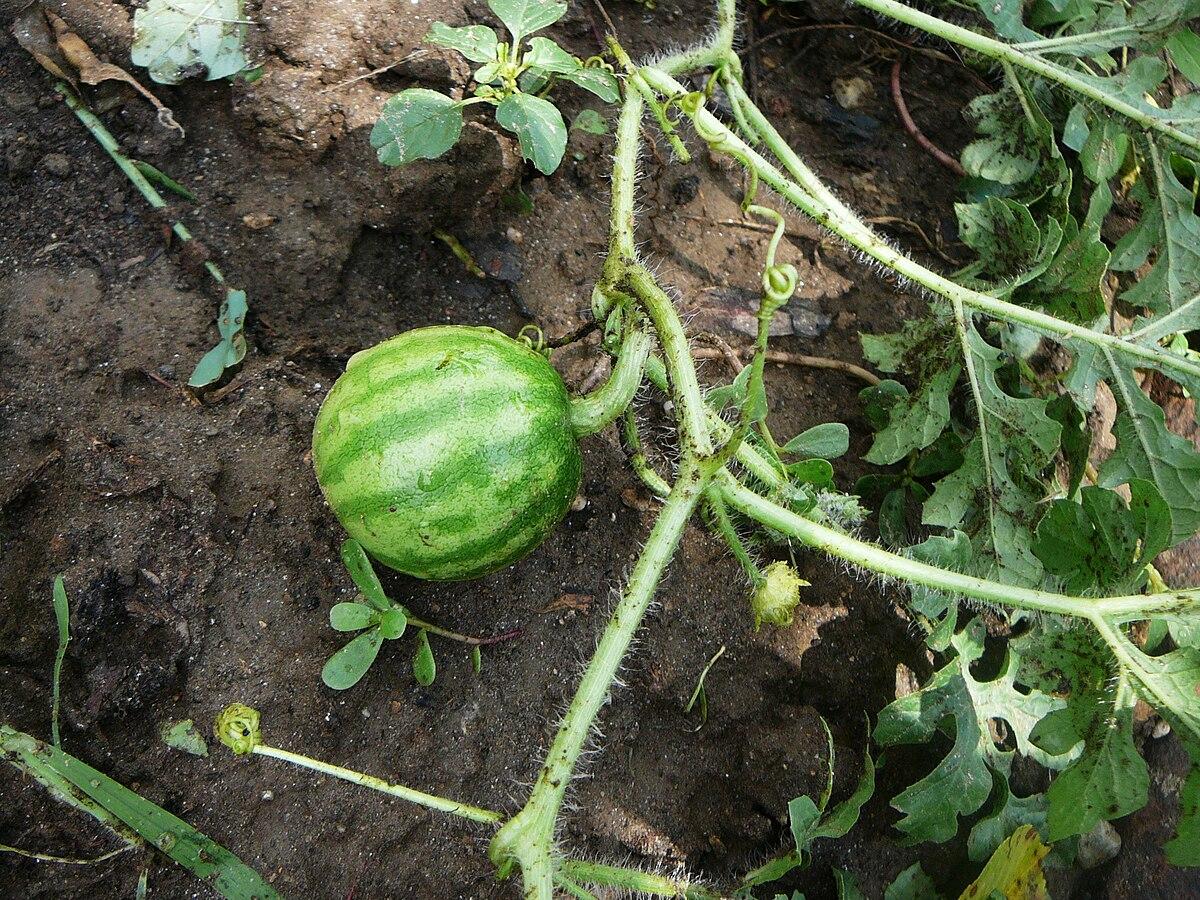
Photo credit : Photo by Elena Chochkova without modification (CC BY 4.0). License : CC BY 4.0.