
Citrus sinensis (Zoranj) : medicinal properties | Lapo
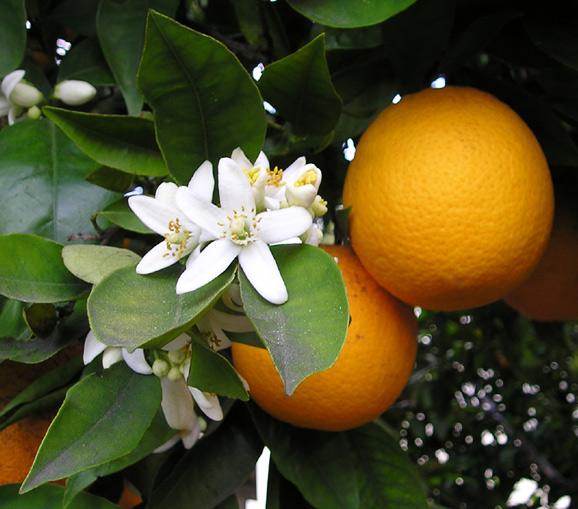
Citrus sinensis (Zoranj) : medicinal properties in alcoholic extraction
Citrus sinensis (Zoranj) — family Rutacées.
Recognised external sources linked to this monograph: TRAMIL and French Pharmacopoeia.
This database documents alcoholic (ethanol) extractions of active substances. Our monograph currently lists 12 indications in alcoholic extraction for this species. The monograph draws on 55 scientific references recorded for the species.
Therapeutic indications in alcoholic extraction:
Note: scientific reference excerpts are kept in their original language (most often English), without translation, to respect the source text of publications.
- Bacterial infection : Plant part used: Sheet. Documented pharmacological profile: Ciprofloxacine-like.
According to Omodamiro OD (2013): Extracts of both peels & leaves showed moderate antibacterial activity against Staphylococcus aureus, Streptococcus pneumoniae, Escherichia coli, Proteus mirabilis & Pseudomonas aeruginosa. The objectives of this study were to evaluate the antioxidant, anti-inflammatory & antibacterial properties of ethanolic extracts of Citrus sinensis peels & leaves. According to Punitha V (2022): The antimicrobial activities & minimum inhibitory concentrations (MIC) & minimum bactericidal/fungicidal concentration (MBC/MFC) values were determined using the agar well diffusion & micro dilution method respectively against Gram-positive bacteria (Staphylococcus aureus & Staphylococcus epidermis), Gram-negative bacteria (Pseudomonas aeruginosa & Klebsiella pneumoniae), as well fungi (Candida albicans & Aspergillus niger). - Inflammatory conditions : Plant part used: Fruit. Documented pharmacological profile: Aspirine-like.
According to Author (2017): Furthermore, CB, cilantro, & spikenard EOs primarily inhibited protein molecules related to inflammation, immune responses, & tissue-remodeling processes, suggesting they have anti-inflammatory & wound healing properties. All the studied oils were significantly anti-proliferative against these cells. According to DURMUS N (2024): Citrus peels are rich in bioactive phenolic compounds with various health effects including antioxidant, antiobesity, antiinflammatory, antihypertensive, anti-hypercholesterolemic, antimicrobial, antidiabetic, & anticarcinogenic activities. - Oxidative stress : Plant part used: Fruit. Documented pharmacological profile: Acide ascorbique-like.
According to FAN C (2023): The results indicated that the NOB significantly ameliorated lipid deposition, oxidative stress, & inflammation in NAFLD in both models. Nobiletin (NOB), a flavonoid with significant antioxidant potential, holds promise for treating nonalcoholic fatty liver disease (NAFLD). According to LUO J (2025): Compared to traditional solvent extraction, this process exhibited the following advantages: (1) qualitative analysis by ultra-performance liquid chromatography-quadrupole-Orbitrap high-resolution mass spectrometry identified seven additional flavonoids in the two-step extract, revealing that SCE was primarily composed of low-polarity flavonoids, and REE was primarily composed of high-polarity flavonoids; (2) quantitative analysis by HPLC demonstrated that the two-step extraction significantly enhanced flavonoid content, with total flavonoids increasing by 11.75% and polymethoxyflavones rising by 19.55%; (3) antioxidant & antimicrobial analyses revealed the potent antioxidant capacity of REE extracts and the superior antimicrobial activity of SCE extracts.
Further indications (including other extraction modes where applicable), dosages, precautions for use and full scientific references are available in the complete monograph.
Lapotitjéri di la Nati medicinal database
Ethanolic extracts of active substances — monographs, indications, dosages and references for healthcare professionals. Ethnopharmacologist Emmanuel Nossin.
→ Search Citrus sinensis in the database (subscription required)
Photo credit : Photo by Ellen Levy Finch without modification (CC BY-SA 3.0). License : CC BY-SA 3.0.