Cucumis sativus (Konkonb) : medicinal properties | Lapo
Cucumis sativus (Konkonb) : medicinal properties in alcoholic extraction
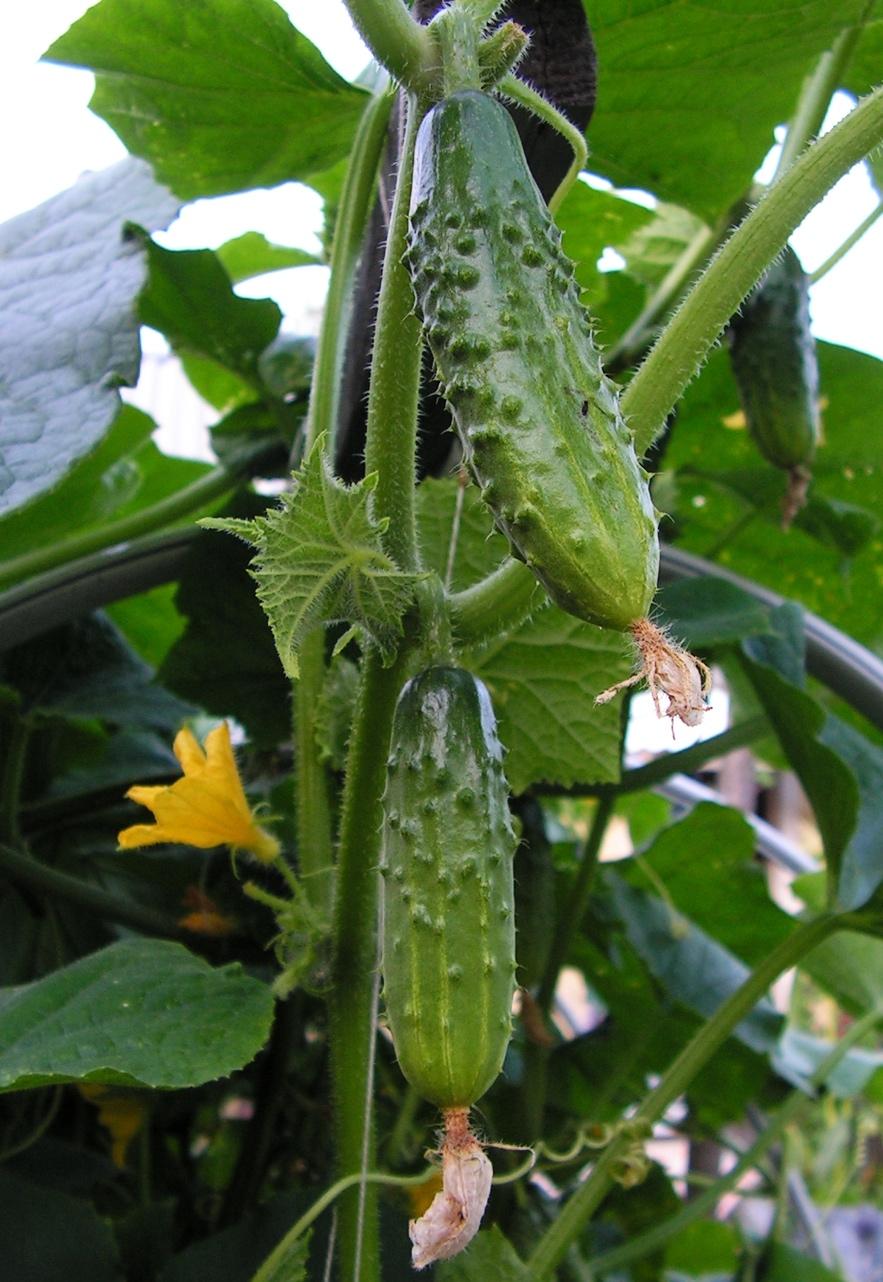
Cucumis sativus (Konkonb) — family Cucurbitacées.
Recognised external sources linked to this monograph: French Pharmacopoeia.
This database documents alcoholic (ethanol) extractions of active substances. Our monograph currently lists 14 indications in alcoholic extraction for this species. The monograph draws on 37 scientific references recorded for the species.
Therapeutic indications in alcoholic extraction:
Note: scientific reference excerpts are kept in their original language (most often English), without translation, to respect the source text of publications.
- Fungal infection : Plant part used: Fruit. Documented pharmacological profile: Griséofulvine-like.
According to Mallik J (2012): The clinical fungi that are used in this test are Aspergillus niger, Blastomyces dermatittidis, Candida albicans, Pityrosporum ovale, Trichophyton spp, Microsporum spp. It was also identified that the ethanol extracts showed antifungal activity. According to Gopalakrishna BS (2014): Ethanolic extract of the fruits of Cucumis sativus had a minimum inhibitory concentration (MIC) of 200 µg/ml against three-gram positive bacteria, viz., Bacillus Cereus, Bacillus subtilis, Streptococcus faecalis, three-gram negative bacteria, viz., Pseudomonas aeruginosa, Klebsiella aerogenes, Proteus vulgaris & the two fungi, Candida albicans, Aspergillus flavens. - Bacterial infection : Plant part used: Fruit. Documented pharmacological profile: Streptomycine-like.
According to Gopalakrishna BS (2014): Ethanolic extract of the fruits of Cucumis sativus had a minimum inhibitory concentration (MIC) of 200 µg/ml against three-gram positive bacteria, viz., Bacillus Cereus, Bacillus subtilis, Streptococcus faecalis, three-gram negative bacteria, viz., Pseudomonas aeruginosa, Klebsiella aerogenes, Proteus vulgaris & the two fungi, Candida albicans, Aspergillus flavens. Materials & methods: Antimicrobial activities of petroleum ether (40-60ºC), benzene, chloroform, ethanol & water extracts of the fruits of C sativus have been investigated against both bacteria & fungi using the disc diffusion method. According to Qamar M (2021): It is known to anticipate antioxidant, anti-inflammatory, anticancer, anti-diabetic, anti-bacterial, antifungal, activities, & radioprotective activities. - Inflammatory condition : Plant part used: Seed. Documented pharmacological profile: Ibuprofène-like.
According to Wahid S (2021): Anti-inflammatory activity was evaluated by rat hind paw edema method. Thus, the current study was designed to evaluate the safety profile & explore the analgesic & anti-inflammatory activity of ethanol extract of Cucurbita maxima & Cucumis sativus seeds. According to Muruganantham N (2016): These three types of phytonutrients found in Cucumbers provide us with valuable antioxidant, anti-inflammatory & anti-cancer benefits.
Further indications (including other extraction modes where applicable), dosages, precautions for use and full scientific references are available in the complete monograph.
Lapotitjéri di la Nati medicinal database
Ethanolic extracts of active substances — monographs, indications, dosages and references for healthcare professionals. Ethnopharmacologist Emmanuel Nossin.
→ Search Cucumis sativus in the database (subscription required)
Photo credit : Photo by Bff without modification (CC BY-SA 3.0). License : CC BY-SA 3.0.