Cyathula prostata (Latjé-mannikou) : medicinal properties | Lapo
Cyathula prostata (Latjé-mannikou) : medicinal properties in alcoholic extraction
Cyathula prostata (Latjé-mannikou) — family Amaranthacées.
This database documents alcoholic (ethanol) extractions of active substances. Our monograph currently lists 12 indications in alcoholic extraction for this species. The monograph draws on 31 scientific references recorded for the species.
Therapeutic indications in alcoholic extraction:
Note: scientific reference excerpts are kept in their original language (most often English), without translation, to respect the source text of publications.
- Inflammation : Plant part used: Whole plant. Documented pharmacological profile: Betamethasone-like.
According to Oladimeji HO (2015): Objectives: The crude extract, fractions & two previously isolated compounds (HOO-1 & HOO-2) from the plant were to be screened for anti-inflammatory activities with the aim of confirming or disproving its uses such as wound healing, treating skin ulcers & Rheumatism amongst many others. Methodology: The xylene & chorioallantoic membrane (CAM) models were employed in the determination of the anti-inflammatory activity of the plant. According to Ibrahim B (2012): CONCLUSION The results suggest that the methanolic extract of C prostrata possesses anti-inflammatory and analgesic activities and this authenticates the use of the plant in the traditional treatment of ailments associated with inflammation & pain,. - Fungal infection : Plant part used: Aerial parts.
According to Olawale H (2012): The two compounds demonstrated between marginal & moderate antibacterial & antifungal activities. According to Ogu GI (2012): 2012;1(1):35-43-Abstarct : The antimicrobial activities of aqueous (cold and hot) & ethanolic extracts of leaf stem bark and root of Cyathula prostrata were investigated against some Human clinical isolates of Staphylococcus aureus, Streptococcus mutans, Escherichia coli, Bacillus Cereus, Pseudomonas aeruginosa, Klebsiella pneumoniae, Proteus mirabilis, Salmonella typhi, & Candida albicans using the Agar well diffusion method at extract concentration of 25mg/ml. Candida albicans had a percentage susceptibility of 57.5%. - Bacterial : Plant part used: Root. Documented pharmacological profile: Ciprofloxacine-like, Fluconazole-like.
According to Ogu GI (2012): 2012;1(1):35-43-Abstarct : The antimicrobial activities of aqueous (cold and hot) & ethanolic extracts of leaf stem bark and root of Cyathula prostrata were investigated against some Human clinical isolates of Staphylococcus aureus, Streptococcus mutans, Escherichia coli, Bacillus Cereus, Pseudomonas aeruginosa, Klebsiella pneumoniae, Proteus mirabilis, Salmonella typhi, & Candida albicans using the Agar well diffusion method at extract concentration of 25mg/ml. The antimicrobial activities of the different plant parts were not significantly different (P<0.05), through the greatest activities were observed with the ethanolic fractions (14.0-25.5 mm), followed by the hot water (12.0-24.2 mm) & cold extracts (13.0-18.5 mm). According to Olawale H (2012): The two compounds demonstrated between marginal & moderate antibacterial & antifungal activities.
Further indications (including other extraction modes where applicable), dosages, precautions for use and full scientific references are available in the complete monograph.
Lapotitjéri di la Nati medicinal database
Ethanolic extracts of active substances — monographs, indications, dosages and references for healthcare professionals. Ethnopharmacologist Emmanuel Nossin.
→ Search Cyathula prostata in the database (subscription required)
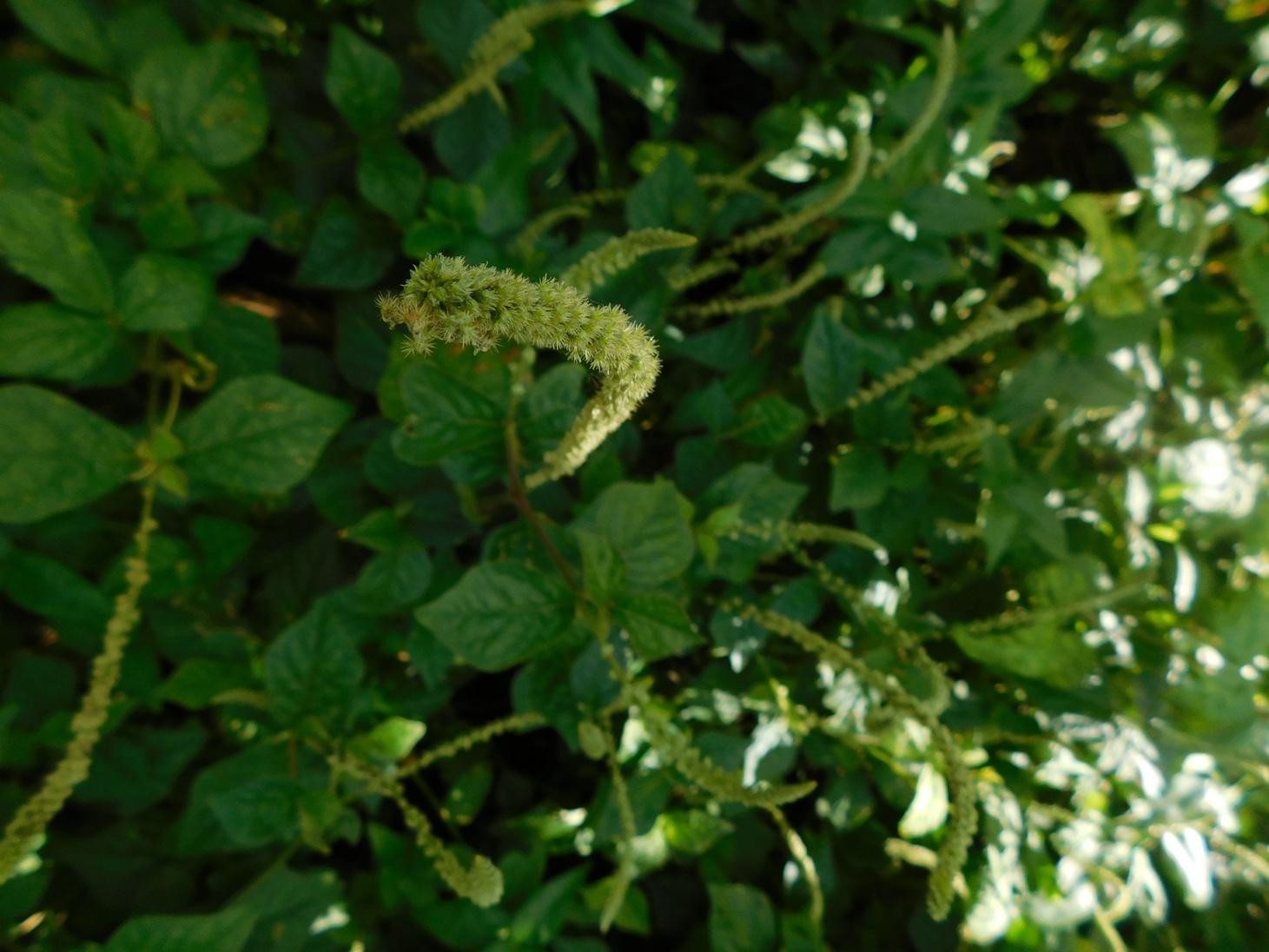
Photo credit : Photo by Franz Xaver without modification (CC BY 4.0). License : CC BY 4.0.