
Cynodon dactylon (Ti-chiendan) : medicinal properties | Lapo
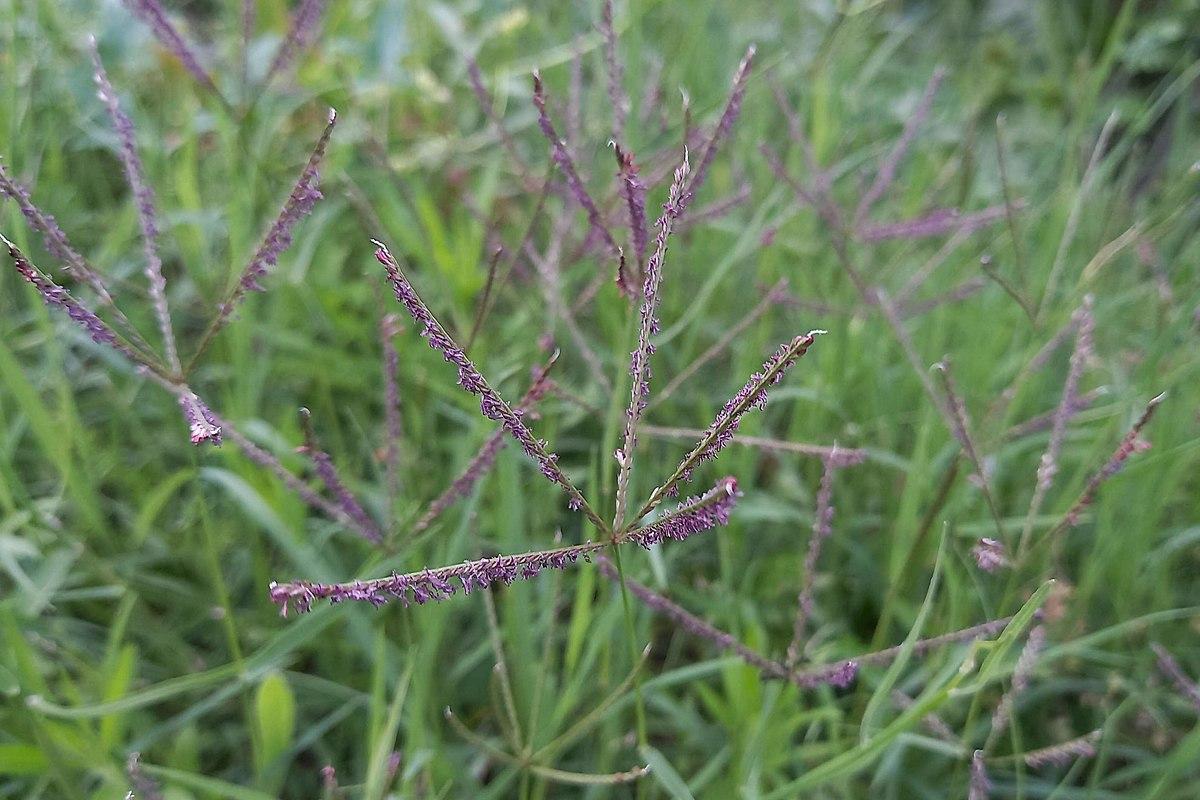
Cynodon dactylon (Ti-chiendan) : medicinal properties in alcoholic extraction
Cynodon dactylon (Ti-chiendan) — family Poacées.
Recognised external sources linked to this monograph: French Pharmacopoeia.
This database documents alcoholic (ethanol) extractions of active substances. Our monograph currently lists 17 indications in alcoholic extraction for this species. The monograph draws on 98 scientific references recorded for the species.
Therapeutic indications in alcoholic extraction:
Note: scientific reference excerpts are kept in their original language (most often English), without translation, to respect the source text of publications.
- Cancer : Plant part used: Aerial parts. Documented pharmacological profile: Doxorubicine-like.
According to Kanimozhi D (2013): The aim of the present study is to evaluate the effect of in-vitro anticancer activity of the ethanolic extract of Cynodon dactylon against HEP-2 laryngeal, HELA cervical & MCF-7 breast cancer cell lines and it was compared with normal, Vero cell line using MTT assay showed a percentage of cell viability of 97 % at 0.078mg/ml which decrease with increase in concentration of extract. Anticancer activity of ethanolic extract of C dactylon on HEP-2, HELA & MCF-7 cancer cell lines showed potent cytotoxic activity. According to Wu RS (2017): dactylon root extract induces apoptosis in nasopharyngeal cancer cells via cyclin D1 pathway & inhibits tumor growth in vivo. - Type II diabetes mellitus : Plant part used: Aerial parts. Documented pharmacological profile: Glibenclamide-like.
According to Singh SK (2007): Singh SK et al, Assessment of antidiabetic potential of Cynodon dactylon extract in streptozotocin diabetic rats. According to Nishmitha S (2016): Based on data collected from various research works on diabetes mellitus and the anti-diabetic potential of Cynodon dactylon, the current study was performed to investigate the anticataract potential of C. Of all the medicinal plants having anti-diabetic potential a few have been studied to be Anticataractic also. - Microbial infection : Plant part used: Sheet. Documented pharmacological profile: Ciprofloxacine-like.
According to Abdullah S (2012): In this study, the antimicrobial activity of the plant crude extract from seven different solvents (acetone, chloroform, diethyl ether, ethanol, ethyl acetate, methanol, and n-pentane) was investigated against some pathogens (Bacillus Cereus, B subtilis, Escherichia coli, Klebsiella spp, Pseudomonas aeruginosa, Staphylococcus aureus, Streptococcus pyogenes, & S pneumonia) using disc diffusion method & thin-layer chromatographic (TLC) bioassay for plant-SPE extracts against A niger. The antimicrobial study revealed broad spectrum of antimicrobial activity from ethanol (7.0–10.0 ± 0.0–1.0 mm) & ethyl acetate (7.0–12.0 ± 0.0–1.0 mm) extracts against all of the bacterial pathogens. According to PANDEY K (2016): These used to investigate the phytochemical constituents of the plant were used to extract the bioactive compounds from the leaf of Cynodon dactylon to screen the antibacterial activity against infectious disease-causing bacterial pathogens (Escherichia coli also known as E.
Further indications (including other extraction modes where applicable), dosages, precautions for use and full scientific references are available in the complete monograph.
Lapotitjéri di la Nati medicinal database
Ethanolic extracts of active substances — monographs, indications, dosages and references for healthcare professionals. Ethnopharmacologist Emmanuel Nossin.
→ Search Cynodon dactylon in the database (subscription required)
Photo credit : Photo by Josep Gesti without modification (CC BY-SA 4.0). License : CC BY-SA 4.0.