
Gliricidia sepium (Gliséria) : medicinal properties | Lapo
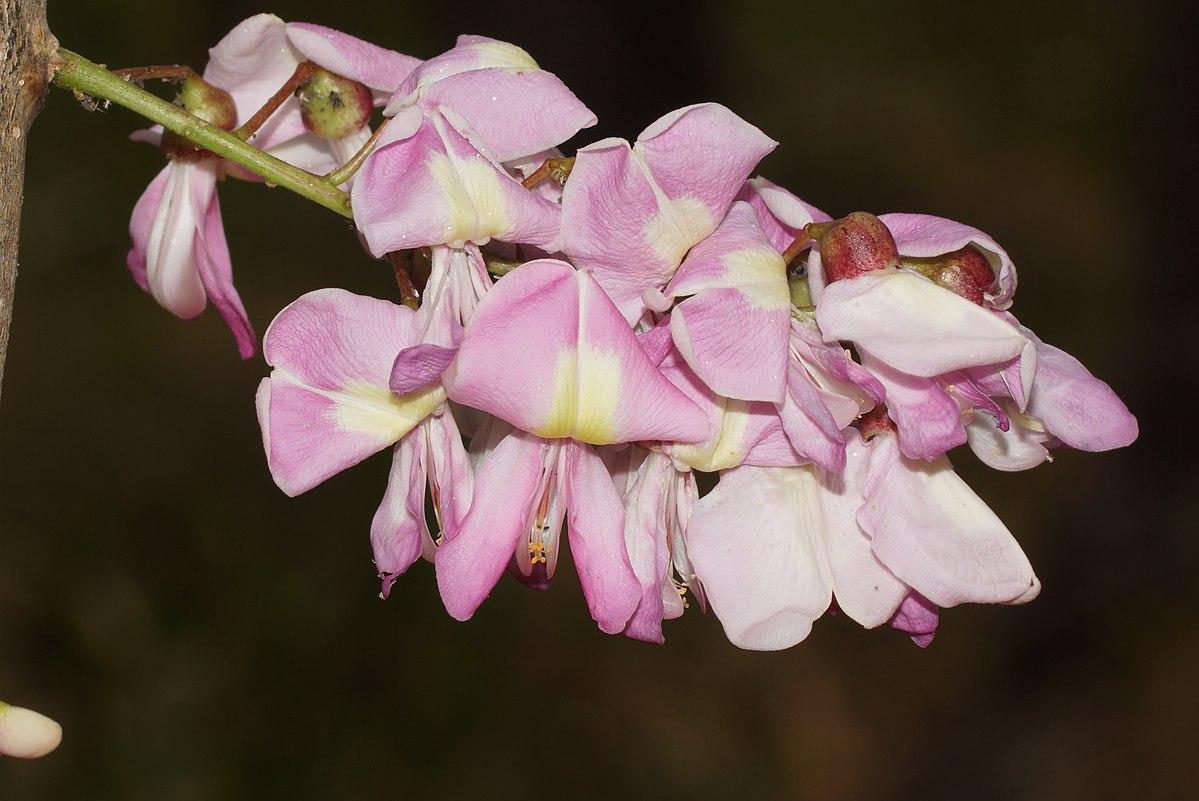
Gliricidia sepium (Gliséria) : medicinal properties in alcoholic extraction
Gliricidia sepium (Gliséria) — family Fabacées.
Recognised external sources linked to this monograph: TRAMIL.
This database documents alcoholic (ethanol) extractions of active substances. Our monograph currently lists 8 indications in alcoholic extraction for this species. The monograph draws on 54 scientific references recorded for the species.
Therapeutic indications in alcoholic extraction:
Note: scientific reference excerpts are kept in their original language (most often English), without translation, to respect the source text of publications.
- Bacterial infection : Plant part used: Sheet. Documented pharmacological profile: Chloramphénicol-like.
Selon Juanico MP (2023) : These studies have returned with promising results capable of competing with antibiotics like ciprofloxacin, gentamycin, & tobramycin & antifungal such as amphotericin-B. With this premise, GS has been a focus of in-vitro antimicrobial studies to describe & measure its extract's potency against commonly infective microorganisms such as bacteria & fungi. Selon Abdulaziz AA (2019) : Antimicrobial properties using the agar well-diffusion method showed inhibition against bacterial organism Bacillus subtilis & fungus Candida albicans. - Cancer : Plant part used: Sheet. Documented pharmacological profile: Cyclophosphamide-like.
Selon Ola Muhammed A (2021) : Three cancer cell lines: Breast (HCC1395); Prostate (DU145); Colorectal (CT26) & one normal cell line (Vero E6) were used for the in-vitro cytotoxicity testing using MTT assay. We studied the Brine shrimp’s lethality, antiproliferative and apoptotic potentials of Gliricidia sepium leaf extract against some selected cancer cell lines. Selon Tantengco OA (2015) : The fractions were tested for their cytotoxic activity against human colon cancer cell line (HCT116), breast cancer cell line (MCF-7), lung adenocarcinoma cell line (A549) & Chinese hamster ovary cell line (AA8) by using MTT assay. - Mosquito control : Plant part used: Pest control and veterinary products. Documented pharmacological profile: HE Citronnelle-like.
Selon Nazli R (2008) : Mosquito’s repellent activity has been studied against Aedes aegypti, the maximum repellency was 78% compared with the citronella oil, the repellency was 74%. For the preliminary studies, Ethanol extract of leaves has been used to check the efficacy on parasitic nematodes, clinical pathogens and mosquito’s repellent activity. Selon Sharma N (1998) : Crude ethanol extracts (CEE) of dried leaves (CEE1), fresh leaves (CEE2), dried petioles (CEE3) & stem bark (CEE4) of Gliricidia sepium were investigated for their toxic properties on the late third instar larvae of Anopheles stephansi, Aedes aegypti & Culex quinquefasciatus.
Further indications (including other extraction modes where applicable), dosages, precautions for use and full scientific references are available in the complete monograph.
Lapotitjéri di la Nati medicinal database
Ethanolic extracts of active substances — monographs, indications, dosages and references for healthcare professionals. Ethnopharmacologist Emmanuel Nossin.
→ Search Gliricidia sepium in the database (subscription required)
Photo credit : Photo de GBif.org sans modification.