
Hymenaea courbaril (Koubari) : medicinal properties | Lapo
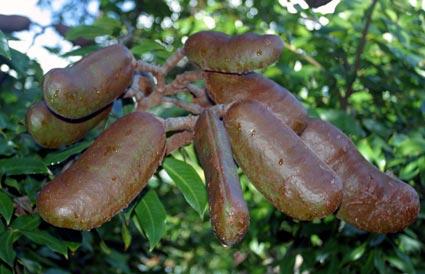
Hymenaea courbaril (Koubari) : medicinal properties in alcoholic extraction
Hymenaea courbaril (Koubari) — family Caesalpiniacées.
Recognised external sources linked to this monograph: TRAMIL.
This database documents alcoholic (ethanol) extractions of active substances. Our monograph currently lists 10 indications in alcoholic extraction for this species. The monograph draws on 69 scientific references recorded for the species.
Therapeutic indications in alcoholic extraction:
Note: scientific reference excerpts are kept in their original language (most often English), without translation, to respect the source text of publications.
- Bacterial infection : Plant part used: Sheet. Documented pharmacological profile: Chloramphénicol-like.
Selon LOZANO CM (2021) : Conclusion: Several ethanolic crude extracts derived from plants used in traditional medicine in the Dominican Republic possess antimicrobial activity against a variety of the tested micro-organisms. The objective of this study was to evaluate the antimicrobial activity of crude ethanolic extracts of 48 medicinal plants collected at regional or municipal markets in Dominican Republic for the treatment of several types of infections associated diseases. Selon Narvaez Correa M (2020) : The assessment of the antimicrobial activity of Hymenaea courbaril on different microorganisms was realized with four bacteria, Escherichia coli, Staphylococcus aureus, Bacillus subtilis, & Pseudomonas aeruginosa, two yeasts Candida albicans & Saccharomyces cerevisiae, and finally two filamentous fungi Aspergillus niger. - Osteoarthritis, arthritis, rheumatism, oedema : Plant part used: Seed.
Selon Massae Hata M (2017) : courbaril essential oil & its anti-inflammatory effects on pterygium fibroblasts. The Hymenaea courbaril is a tree that grows in South America forests & it’s essential oil has proved anti-inflammatory effects. Selon Bezerra GP (2013) : Aim of the study: In order to give a scientific basis to support the traditional use of HC this study was designed to evaluate antioxidant, myorelaxant & anti-inflammatory properties of the ethanol extract from stem bark & its fractions. - Cancer : Plant part used: Seed. Documented pharmacological profile: Cyclophosphamide-like.
Selon Lisboa EM de J (2021) : Male Swiss mice (n=6) were subcutaneously inoculated with 106 tumor cells & intragastrically administered ethanol (2 mg·mL-1, 5 mg·mL-1, or 10 mg·mL-1) or aqueous extracts of HC seed or bark for 90 days. This study determined the effect of plant extracts on the development of Ehrlich carcinoma. Selon Abdel-Kader M (2002) : Compound 1 exhibited weak cytotoxicity toward the 1138 mutant yeast strain & the A2780 human ovarian cancer cell line.
Further indications (including other extraction modes where applicable), dosages, precautions for use and full scientific references are available in the complete monograph.
Lapotitjéri di la Nati medicinal database
Ethanolic extracts of active substances — monographs, indications, dosages and references for healthcare professionals. Ethnopharmacologist Emmanuel Nossin.
→ Search Hymenaea courbaril in the database (subscription required)
Photo credit : Photo by Bernard DUPONT without modification (CC BY 4.0). License : CC BY 4.0.