
Hyptis suaveolens (Lamélis) : medicinal properties | Lapo
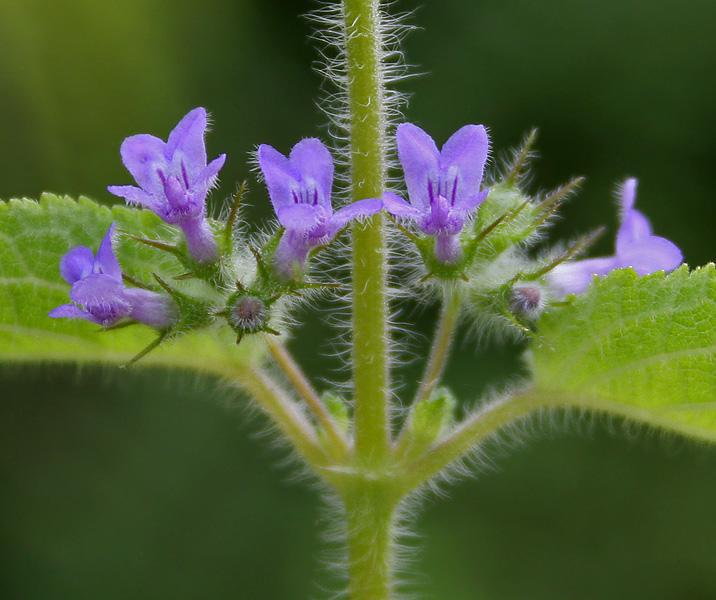
Hyptis suaveolens (Lamélis) : medicinal properties in alcoholic extraction
Hyptis suaveolens (Lamélis) — family Lamiacées.
Recognised external sources linked to this monograph: TRAMIL.
This database documents alcoholic (ethanol) extractions of active substances. Our monograph currently lists 20 indications in alcoholic extraction for this species. The monograph draws on 105 scientific references recorded for the species.
Therapeutic indications in alcoholic extraction:
Note: scientific reference excerpts are kept in their original language (most often English), without translation, to respect the source text of publications.
- Bacterial infection : Plant part used: Sheet. Documented pharmacological profile: Chloramphenicol-like.
Selon Mandal SM (2007) : It showed highest antifungal & antibacterial activity against Aspergillus niger & Micrococcus luteus, respectively. Steam distillation extract exhibited broad-spectrum antibacterial & antifungal activity against the tested organisms. Selon Iwu MM (1990) : The EO Inhibited The Growth Of Both Gram-Positive & Gram-Negative Bacteria As Well As Having Mild Antifungal Activity. - Pain, hyperalgesia : Plant part used: Seed. Documented pharmacological profile: Diclofénac-like.
Selon Begum A (2016) : To investigate the ethanolic extract & its fractions of Hyptis suaveolens for antinociceptive & central nervous system depressant effects. The naloxone was not able to alter HS induced antinociceptive effect in writhing test. Selon Rahman M (2010) : The crude ethanolic extract of the seeds of Hyptis suaveolens was evaluated for its analgesic, antidiarrhoeal & cytotoxic activities. - Malaria : Plant part used: Pest control and veterinary products. Documented pharmacological profile: Artemisinine-like.
Selon Ivoke N (2010) : The female Anopheles gambiae s.l is the principalintermediate host/vector of Plasmodium – the causative organism of malaria fever in many tropical countries. Selon AUTA KI (2013) : The activities of the ethanolic extract of the leaves of this plant was investigated against rodent Plasmodium infection, analgesic studies, pentobarbital (sleeping time), sub-acute toxicity, haematological evaluation as well as histopathology was carried out. The leaf extract displayed a good antiplasmodial activity against plasmodium berghei (08.2 + 2.70) corresponding to 51.05% suppression & (01.17 + 0.75) corresponding to 94.58% curative.
Further indications (including other extraction modes where applicable), dosages, precautions for use and full scientific references are available in the complete monograph.
Lapotitjéri di la Nati medicinal database
Ethanolic extracts of active substances — monographs, indications, dosages and references for healthcare professionals. Ethnopharmacologist Emmanuel Nossin.
→ Search Hyptis suaveolens in the database (subscription required)
Photo credit : Photo by J.M. Garg without modification (CC BY-SA 4.0). License : CC BY-SA 4.0.