
Ipomea batatas (Sweet potato) : medicinal properties | Lapo
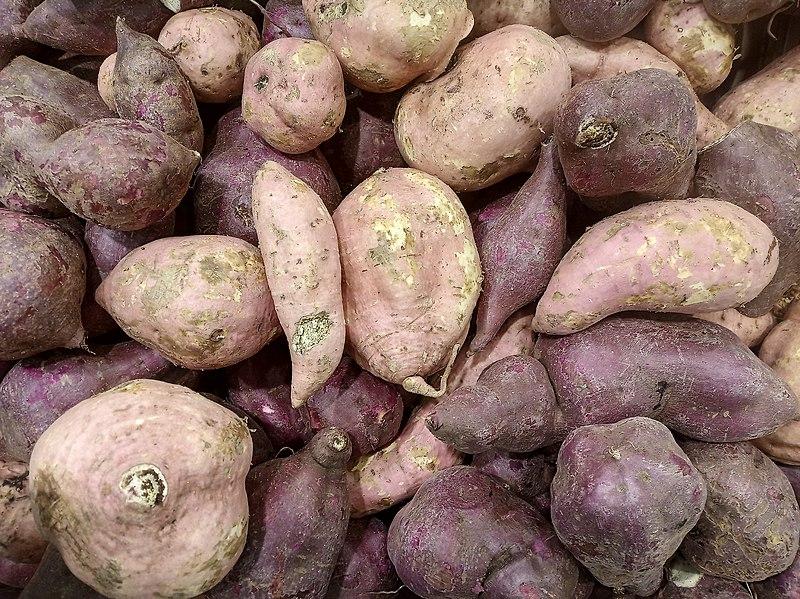
Ipomea batatas (Sweet potato) : medicinal properties in alcoholic extraction
Ipomea batatas (Sweet potato) — family Convolvulacées.
Recognised external sources linked to this monograph: TRAMIL.
This database documents alcoholic (ethanol) extractions of active substances. Our monograph currently lists 14 indications in alcoholic extraction for this species. The monograph draws on 145 scientific references recorded for the species.
Therapeutic indications in alcoholic extraction:
Note: scientific reference excerpts are kept in their original language (most often English), without translation, to respect the source text of publications.
- Oxidative stress : Plant part used: Sheet. Documented pharmacological profile: Quercétine-like.
Selon Koncic ZM (2012) : Antioxidant activity of the extracts, as well as their effect on intracellular glucose-induced oxidative stress was determined. In addition to being richer in phenols and flavonoids than aqueous extract, ethanolic extract also demonstrated superior antioxidant activity in all the assays. Selon Castañeda R (2023) : Nephroprotective effects are mainly mediated by reducing oxidative stress, inflammatory response, fibrosis mechanisms, & apoptosis in the kidney. - Urolithiasis : Plant part used: Sheet. Documented pharmacological profile: Cystone-like.
Selon Castañeda R (2023) : Results: The most reported kidney-related conditions used traditionally in Mayan medicine involve reducing renal damage (a cultural interpretation that considers an inflammatory or infectious condition), cleaning or purifying the blood & kidney, reducing kidney pain, & eliminating kidney stones. A total of 208 plants used for kidney-related problems by 10 Mayan groups were found, representing 143 native species, where only 42 have reported pharmacological activity against kidney damage, mainly approached by in vitro & in vivo models of chemical- or drug-induced nephrotoxicity, diabetes nephropathy, & renal injury produced by hypertension. Selon Duvivier (2008) : Then, AOA was assessed by 2,2-diphenyl-1-picrylhydradzyl (DPPH); anti-oxidative potency in linoleic acid system model (AOP), & 2,2’-Azino-di-[3-ethylbenzothiazoline-6-sulfonate] (ABTS) assays. - Cancer : Plant part used: Tuber.
Selon Wayan S (2010) : The activities of the anticancer are evaluated from cytotoxic & antiproliferative effects on cell line breast cancer T47D. Ethanol extracts purple sweet potatoes showed antiproliferative activitiesonT47D breast cancer cells in 2 4,48,72 hours incubation in concentrations 500;1,000; &2,000 g/ml; thoseare35,700;29,800;25,500 cells (24 hours);72,500;60,300; 52,600 cells (48 hours);149,500;122,600;107,300 cells (72 hours). Selon Gundala SR (2013) : Polyphenolic phytochemicals present in fruits & vegetables indisputably confer anticancer benefits upon regular consumption.
Further indications (including other extraction modes where applicable), dosages, precautions for use and full scientific references are available in the complete monograph.
Lapotitjéri di la Nati medicinal database
Ethanolic extracts of active substances — monographs, indications, dosages and references for healthcare professionals. Ethnopharmacologist Emmanuel Nossin.
→ Search Ipomea batatas in the database (subscription required)
Photo credit : Photo de Filo gèn’ sans modification (CC BY-SA 4.0). License : CC BY-SA 4;0.