Morus alba (Mulberry) : medicinal properties | Lapo
Morus alba (Mulberry) : medicinal properties in alcoholic extraction
Morus alba (Mulberry) — family Moracées.
This database documents alcoholic (ethanol) extractions of active substances. Our monograph currently lists 28 indications in alcoholic extraction for this species. The monograph draws on 169 scientific references recorded for the species.
Therapeutic indications in alcoholic extraction:
Note: scientific reference excerpts are kept in their original language (most often English), without translation, to respect the source text of publications.
- Fungal infection : Plant part used: Sheet. Documented pharmacological profile: Fluconazole-like, Nystatine-like.
Selon Macário de Oliveira A (2015) : The extract showed antimicrobial activity against Staphylococcus aureus, Pseudomonas aeruginosa, Candida albicans, Candida krusei, Candida tropicalis, & Aspergillus flavus. This work evaluated an ethanolic extract from Morus alba leaves for toxicity to Artemia salina, oral toxicity to mice, & antimicrobial activity. Selon Al-Dhanani A (2025) : Antimicrobial activities were assessed through the Disk Diffusion Method against selected bacterial strains (Staphylococcus aureus, Bacillus cereus, Escherichia coli, & Clostridium botulinum) & fungal strains (Aspergillus flavus, Candida albicans), with inhibition zones measured post-incubation. - Heart conditions : Plant part used: Sheet. Documented pharmacological profile: Captopril-like.
Selon Khan M (2014) : Khan M et al, Blood Pressure Lowering Effect of Morus alba is Mediated Through Ca++ Antagonist Pathway, Inter Jl of Pharmacol, 10(4-):225-30, 2014,. Selon Akbari Aghdam M (2025) : Results: MA extract partially prevented the development of arterial hypertension due to NO deficiency, although it did not completely normalize blood pressure as captopril did. Conclusions: MA extract demonstrates antihypertensive effects, improves vascular reactivity, and reduces platelet aggregation in a model of arterial hypertension. - Osteoarthritis, arthritis, rheumatism, oedema : Plant part used: Fruit.
Selon FATIMA M (2024) : These secondary metabolites have manifold healthy uses as they possess antioxidant, anti-inflammatory, antidiabetic, neurotrophic, & anticancer properties. A comprehensive analysis of the available literature indicates that MA could emerge as a promising natural agent to combat diverse conditions including diabetes, cancer, inflammation & infectious diseases. Selon HE X (2018) : MA fruits & leaves contain rich bioactive polysaccharides, which are shown to possess various promising bioactivities, mainly including antidiabetic, immunomodulation, anti-inflammation, antioxidation, anti-obesity, hepatoprotection & renoprotection.
Further indications (including other extraction modes where applicable), dosages, precautions for use and full scientific references are available in the complete monograph.
Lapotitjéri di la Nati medicinal database
Ethanolic extracts of active substances — monographs, indications, dosages and references for healthcare professionals. Ethnopharmacologist Emmanuel Nossin.
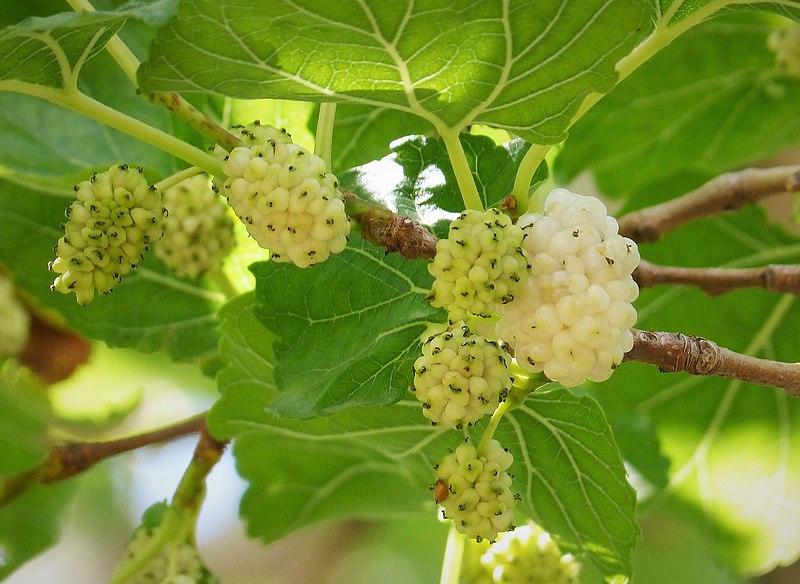
Photo credit : Photo by Rudolphous without modification (CC BY 2.0). License : CC BY 2.0.