
Newbouldia laevis (Lizôp-péyi) : medicinal properties | Lapo
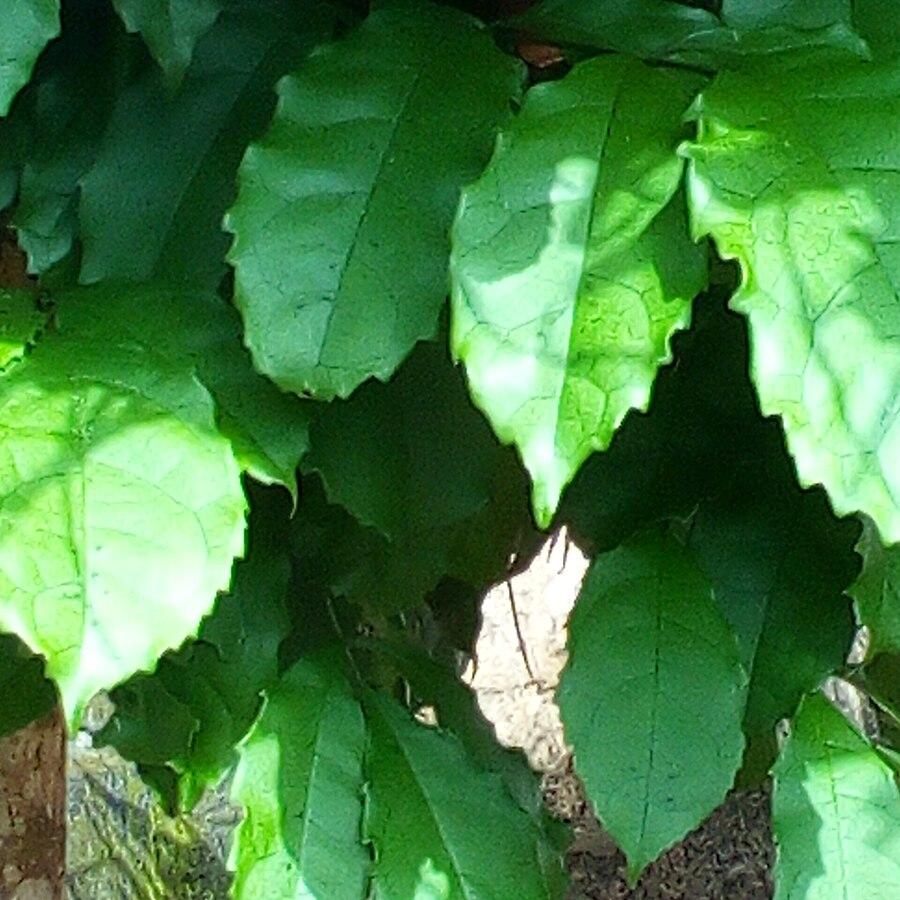
Newbouldia laevis (Lizôp-péyi) : medicinal properties in alcoholic extraction
Newbouldia laevis (Lizôp-péyi) — family Bignoniacées.
This database documents alcoholic (ethanol) extractions of active substances. Our monograph currently lists 14 indications in alcoholic extraction for this species. The monograph draws on 32 scientific references recorded for the species.
Therapeutic indications in alcoholic extraction:
Note: scientific reference excerpts are kept in their original language (most often English), without translation, to respect the source text of publications.
- Type II diabetes mellitus : Plant part used: Sheet. Documented pharmacological profile: Glibenclamide-like.
Selon Tanko Y (2008) : This study was undertaken to evaluate the hypoglycemic effect of ethanolic flower extract of Newbouldia laevis on blood glucose levels of streptozocin-induced diabetes rats. The ethanolic flower extract of N laevis possess anti-diabetic effect in streptozocin induced in diabetic rats. Selon Owolabi OJ (2011) : Beauv) in alloxan-induced diabetic rats. - Bacterial infection : Plant part used: Root. Documented pharmacological profile: Néomycine-like.
Selon Usman H (2007) : Test microorganisms were Pseudomonas aeruginosa, Escherichia coli, Staphylococcus aureus, Salmonella typhi, Klebsiella spp. The results showed minimum inhibitory concentration (MIC) of 1.563 mg/ml against Escherichia coli & Klebsiella spp. Selon Akerele JO (2011) : The 65 bacterial pathogens isolated included Proteus mirabilis (26.0 %) and Pseudomonas aeruginosa (17.4 %) from nondiabetic patients’ wounds; Staphylococcus aureus (32.0 %) and Escherichia coli (16.0%) from diabetic patients’ wounds; Staphylococcus aureus (35.3%) and Pseudomonas aeruginosa (35.3 %) from infected eyes. - Osteoarthritis, rheumatoid arthritis, rheumatism : Plant part used: Stem bark. Documented pharmacological profile: Dexaméthasone-like, Diclofenac-like.
Selon Woode E (2008) : The stem bark is used for pain, ulcer, arthritis, rheumatism and other inflammatory conditions. laevis stem bark extracts in African traditional medicine for the management of inflammatory conditions such as arthritis. Selon Boakye-Gyasi E (2013) : This study was therefore aimed at evaluating the scientific basis for the traditional use of N laevis leaves as an anti-inflammatory agent & analgesic using animal models.
Further indications (including other extraction modes where applicable), dosages, precautions for use and full scientific references are available in the complete monograph.
Lapotitjéri di la Nati medicinal database
Ethanolic extracts of active substances — monographs, indications, dosages and references for healthcare professionals. Ethnopharmacologist Emmanuel Nossin.
→ Search Newbouldia laevis in the database (subscription required)
Photo credit : Photo by Hikmat Ayomide without modification (CC BY 4.0). License : CC BY 4.0.