
Physalis angulata (Pôk) : medicinal properties | Lapo
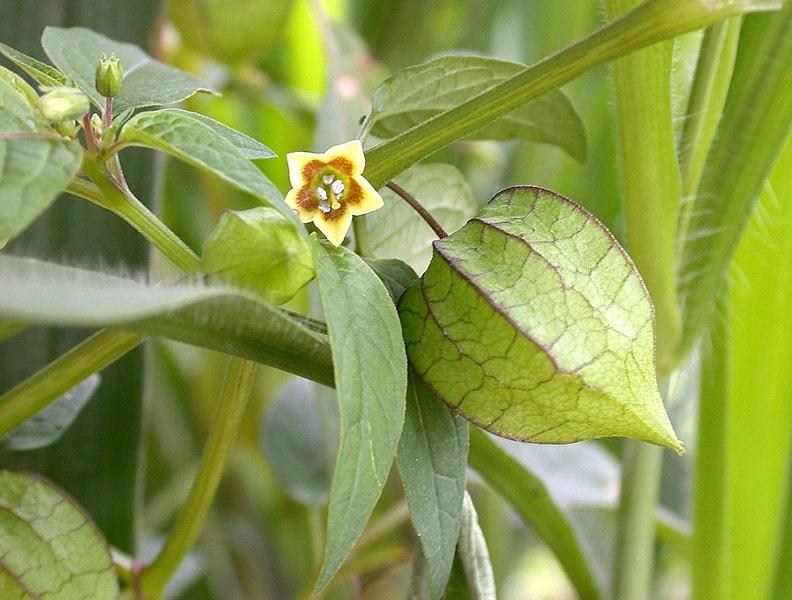
Physalis angulata (Pôk) : medicinal properties in alcoholic extraction
Physalis angulata (Pôk) — family Solanacées.
This database documents alcoholic (ethanol) extractions of active substances. Our monograph currently lists 24 indications in alcoholic extraction for this species. The monograph draws on 97 scientific references recorded for the species.
Therapeutic indications in alcoholic extraction:
Note: scientific reference excerpts are kept in their original language (most often English), without translation, to respect the source text of publications.
- Cancer in adjuvant treatment : Plant part used: Whole plant. Documented pharmacological profile: Celecoxib-like, Tamoxifène-like.
Selon Ribeiro IM (2002) : The most significant inhibition values are those for fruit capsules fractions such as 97% mouse lymphoma; 93% Erlich carcinoma strains when was assayed with MGTS-1-2ai & MGTS-1-1ai respectively. The extract prepared from roots of PA is the most clinically used by Physicians for treatment of human hepatic disorders, despite the substance responsible for the efficacy still a matter of argument. Selon Yu P (2017) : Therefore, PP is a promising candidate for the development of antitumor drugs for the treatment of triple-negative breast cancer. - Mosquito control : Plant part used: Pest control and veterinary products. Documented pharmacological profile: Doom-like.
Selon Sandhya S (2010) : Piperazine citrate was included as standard reference & distilled water as control. Similarly, very optimistic results were observed for Culex quinquefasciatus species of mosquito larvae & LC50 value was calculated as 51.8802 mg/l. Selon Nnamani CV (2009) : on the larvae of Anopheles mosquitoes were investigated. - Bacterial infection : Plant part used: Whole plant.
Selon Osho A (2010) : 2010; 7(4): 303–6.-Abstract The sensitivity of Bacillus Subtilis, Klebsiella pneumoniae, Pseudomonas aeruginosa & Staphylococcus aureus to the essential oils of both the aerial & root parts were determined. Pseudomonas aeruginosa was resistant to the essential oil from both the aerial and root part of the plant. Selon Donkor A (2016) : hirta were tested against P aeruginosa & S aureus, using the agar diffusion bioassay.
Further indications (including other extraction modes where applicable), dosages, precautions for use and full scientific references are available in the complete monograph.
Lapotitjéri di la Nati medicinal database
Ethanolic extracts of active substances — monographs, indications, dosages and references for healthcare professionals. Ethnopharmacologist Emmanuel Nossin.
→ Search Physalis angulata in the database (subscription required)
Photo credit : Photo by Len Worthington without modification (CC BY-SA 2.0). License : CC BY-SA 2.0.