
Pimpinella anisum (Lanni) : medicinal properties | Lapo
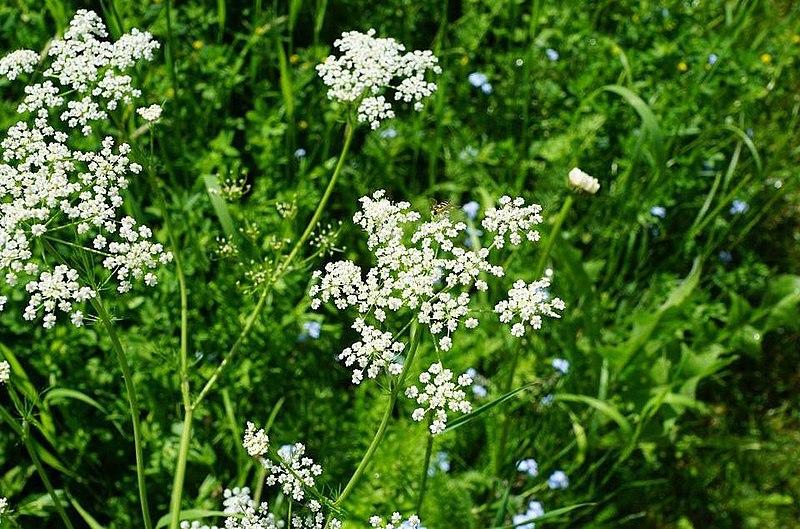
Pimpinella anisum (Lanni) : medicinal properties in alcoholic extraction
Pimpinella anisum (Lanni) — family Apiacées.
Recognised external sources linked to this monograph: TRAMIL and French Pharmacopoeia.
This database documents alcoholic (ethanol) extractions of active substances. Our monograph currently lists 14 indications in alcoholic extraction for this species. The monograph draws on 69 scientific references recorded for the species.
Therapeutic indications in alcoholic extraction:
Note: scientific reference excerpts are kept in their original language (most often English), without translation, to respect the source text of publications.
- Cancer : Plant part used: Seed.
Selon Auteur (2013) : MTT & LDH assays revealed that ethanolic extract have cytotoxic activity on human prostate cancer cell line [PC-3] at concentrations found safe to normal cells (rat skeletal muscle cell line [L6]). In this study, anticancer activity of ethanol extract of Pimpinella anisum seed was investigated. Selon Rahamoz-Haghighi S (2016) : In the present study, we investigated the cytotoxic effect of alcoholic extracts & essential oil of Pimpinella anisum on viability of gastric cancer cell line (AGS) & angiogenesis of HUVEC cells . - Muscle spasm, bronchospasm : Plant part used: Seed. Documented pharmacological profile: Théophylline-like.
Selon Tirapelli CR (2007) : Incubation of the tissues with L-NAME significantly enhanced the maximal contraction induced by acetylcholine, indicating an inhibitory role for NO in the modulation of the contractile response of anococcygeus smooth muscle to acetylcholine. The present work describes the mechanisms involved in the muscle relaxant effect of ethanol:water (40:60, 60:40 & 80:20) aerial parts extracts of Pimpinella anisum. Selon Ghlissi Z (2020) : The topical application of PAP based gel on laser burn lesions accelerates wound contraction, the re-epithelization & remodeling phases after seven days of treatment. - Depression : Plant part used: Fruit. Documented pharmacological profile: Fluoxétine-like.
Selon Mosaffa-Jahromi M (2017) : Depression is a prevalent disorder among patients suffering from irritable bowel syndrome. The current study was performed to evaluate the effect of a traditional Persian medicine product, anise oil, in removing the symptoms of mild to moderate depression in patients with irritable bowel syndrome. Selon Shahamat Z (2016) : In this study the antidepressant-like effect of aqueous & ethanolic extracts of PA fruit in mice was investigated.
Further indications (including other extraction modes where applicable), dosages, precautions for use and full scientific references are available in the complete monograph.
Lapotitjéri di la Nati medicinal database
Ethanolic extracts of active substances — monographs, indications, dosages and references for healthcare professionals. Ethnopharmacologist Emmanuel Nossin.
→ Search Pimpinella anisum in the database (subscription required)
Photo credit : Photo by A1online2020 without modification (CC BY 4.0). License : CC BY 4.0.