
Tamarindus indica (Tomaren-si) : medicinal properties | Lapo
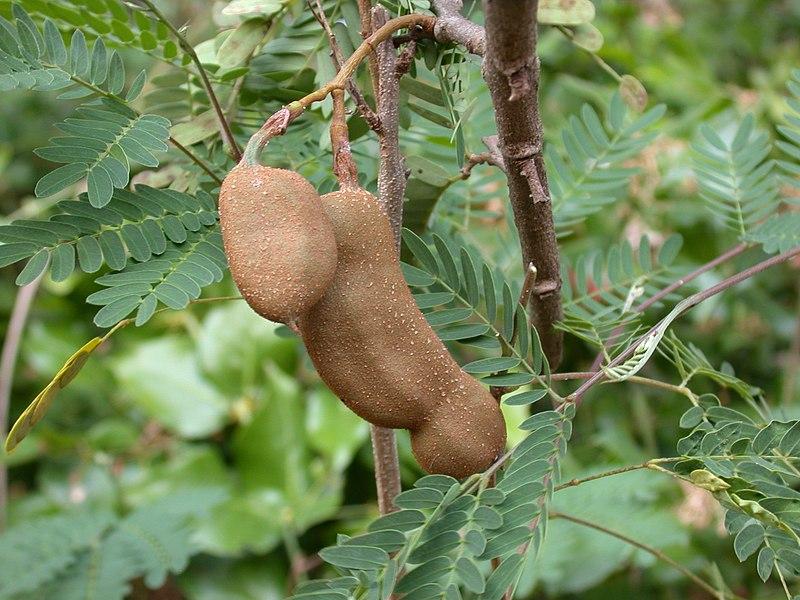
Tamarindus indica (Tomaren-si) : medicinal properties in alcoholic extraction
Tamarindus indica (Tomaren-si) — family Caesalpiniacées.
Recognised external sources linked to this monograph: TRAMIL and French Pharmacopoeia.
This database documents alcoholic (ethanol) extractions of active substances. Our monograph currently lists 19 indications in alcoholic extraction for this species. The monograph draws on 56 scientific references recorded for the species.
Therapeutic indications in alcoholic extraction:
Note: scientific reference excerpts are kept in their original language (most often English), without translation, to respect the source text of publications.
- Bacterial infection : Plant part used: Bark. Documented pharmacological profile: Ampicilline-like.
Selon Nwodo UU (2011) : The MIC ranged from 7.81 mg/mL against Bacillus subtilis ATCC 6051 to 31.25 mg/mL against Escherichia coli ATCC 11775; & the minimum bactericidal concentration (MBC) ranged from 125 mg/mL against Pseudomonas aeruginosa ATCC 10145 to 250 mg/mL against Bacillus subtilis ATCC 6051. Ethanolic & aqueous (hot and cold) extracts of the fruit pulp, stem bark and leaves of Tamarindus indica were evaluated for antibacterial activity, in vitro, against 13 Gram negative & 5 Gram positive bacterial strains using agar well diffusion and macro broth dilution techniques, simultaneously. Selon Kapur AM (2014) : The antimicrobial activity of this plant extract was carried out against gram positive bacteria (Staphylococcus aureus, Bacillus Cereus) & gram negative bacteria (Klebsiella pneumonia, Escherichia coli) by well diffusion method. - Osteoarthritis, arthritis, rheumatism : Plant part used: Shaft. Documented pharmacological profile: Dexaméthasone-like.
Selon Borkaye S (2020) : The carrageenan-induced paw edema model of inflammation in chicks was used to assess anti-inflammatory activity. In the anti-inflammation test, both extracts exhibited dose-dependent reduction of edema, similar to the standard drugs used. Selon Prasad-Sinha B (2019) : Therefore, an attempt was made to evaluate the effects of ethanolic extract of T indica leaves in septic arthritis. - Paracetamol-induced hepatotoxicity : Plant part used: Seed. Documented pharmacological profile: Vitamine-E-like.
Selon Pimple BP (2007) : Protective effect of Tamarindus indica Linn (Caesalpiniaceae) was evaluated by intoxicating the rats with paracetamol (1 g/kg p.o.) for seven days. Liver weight variation, thiopentone-induced sleeping time and histopathology were studied on 13 th day. Selon Shammi NJ (2024) : Objective: This study was aimed to explore the effectiveness of ethanolic extract of seed of TI on liver weight when liver is intoxicated with paracetamol and to compare it with the effects of Vitamin E, a known hepatoprotectant.
Further indications (including other extraction modes where applicable), dosages, precautions for use and full scientific references are available in the complete monograph.
Lapotitjéri di la Nati medicinal database
Ethanolic extracts of active substances — monographs, indications, dosages and references for healthcare professionals. Ethnopharmacologist Emmanuel Nossin.
→ Search Tamarindus indica in the database (subscription required)
Photo credit : Photo from the Traditional Martinique Pharmacopoeia.