
Ipomea cairica (Liyenn-tonnèl) : vertus médicinales en extraction alcoolique
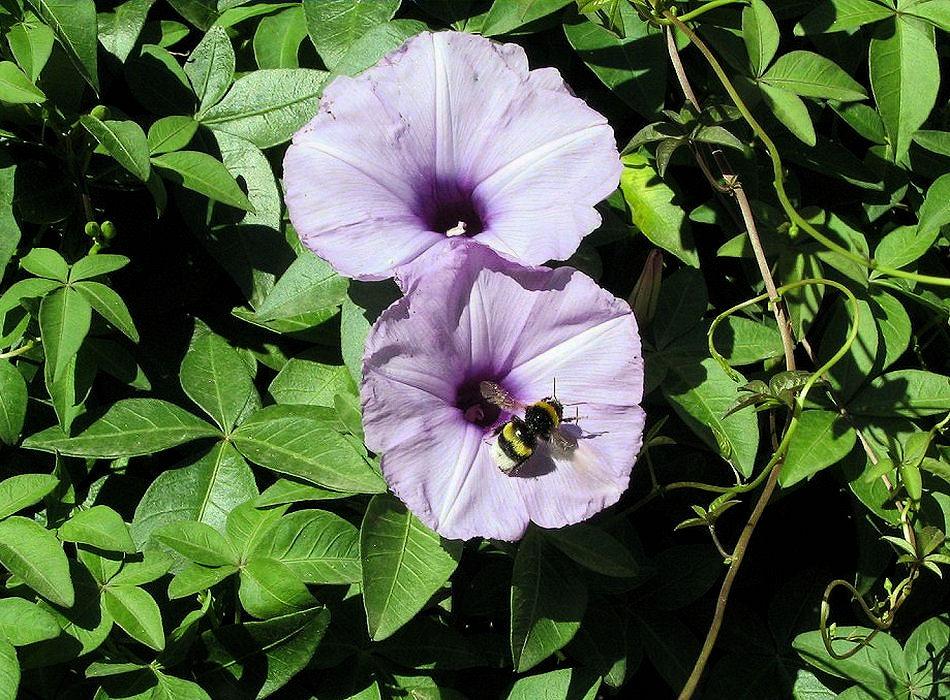
Ipomea cairica (Liyenn-tonnèl) : vertus médicinales en extraction alcoolique
Ipomea cairica (Liyenn-tonnèl) — famille Convolvulacées.
Cette base documente les extractions alcooliques (éthanol) des substances actives. Notre monographie recense actuellement 7 indications en extraction alcoolique pour cette espèce. La monographie s’appuie sur 36 références scientifiques enregistrées pour l’espèce.
Indications thérapeutiques en extraction alcoolique :
Note : les extraits de références scientifiques sont conservés dans leur langue d’origine (le plus souvent l’anglais), sans traduction, afin de respecter le texte source des publications.
- Cancer : Partie usitée : Parties aeriennes.
Selon ILESANI OB (2022) : ILESANI OB et al, hepatoprotective effect of Ipomea cairica (Convolvulaceae) leaf extract against cadmium chloride induced liver damage, Toxicol Anal & Clin, 14(1) :30-7, 2022-Abstract:. Selon Yu BW (2013) : Compounds cairicoside A-E exhibited moderate cytotoxic against a small panel f human tumor cell lines with IC-50 values in the range of 4,25-14, 31 microM. - Mollusque invasif : Partie usitée : Parasiticide et vétérinaire.
Selon You CG (2014) : Ipomoea cairica & Pomacea canaliculata are invasive species that are very harmful to natural & artificial ecosystems & rice production in Southern China. IC a perennial herbaceous liana, is a highly invasive climbing plant. - Démoustication : Partie usitée : Parasiticide et vétérinaire.
Selon Ahbi-Rami R (2014) : The present study was specifically conducted to explore the larvicidal efficacy of different plant parts of Ipomoea cairica (L.) or railway creeper crude extract obtained using two different solvents; methanol and acetone against late third-stage larvae of Aedes albopictus (Skuse) & Aedes aegypti (L.) (Diptera: Culicidae). Control of mosquitoes in their larval stages are an ideal method since Aedes larvae are aquatic, thus it is easier to deal with them in this habitat. Selon Rodzay R (2021) : Supported by this aim, we are interested in exploiting the potential of Ipomoea cairica leaves extract towards primary & secondary vectors of dengue fever, Aedes aegypti & Aedes albopictus.
D’autres indications (y compris d’autres modes d’extraction le cas échéant), posologies, précautions d’emploi et le détail des références scientifiques sont disponibles dans la fiche monographique complète.
Base médicinale Lapotitjéri di la Nati
Extraits éthanoliques des substances actives — monographies, indications, posologies et références pour professionnels de santé. Ethnopharmacologue Emmanuel Nossin.
→ Rechercher Ipomea cairica dans la base (abonnement requis)
Crédit photo : Photo de Vito Rallo sans modification (CC BY 4.0). Licence : CC BY 4.0.