Salvinia molesta (Foujè-ma) : vertus médicinales en extraction alcoolique
Salvinia molesta (Foujè-ma) : vertus médicinales en extraction alcoolique
Salvinia molesta (Foujè-ma) — famille Salviniacées.
Cette base documente les extractions alcooliques (éthanol) des substances actives. Notre monographie recense actuellement 3 indications en extraction alcoolique pour cette espèce. La monographie s’appuie sur 10 références scientifiques enregistrées pour l’espèce.
Indications thérapeutiques en extraction alcoolique :
Note : les extraits de références scientifiques sont conservés dans leur langue d’origine (le plus souvent l’anglais), sans traduction, afin de respecter le texte source des publications.
- Cancer : Partie usitée : Feuille.
Selon Nahheed N (2021) : Urease plays a significant role in the pathogenesis of urolithiasis pyelonephritis, urinary catheter encrustation, hepatic coma, hepatic encephalopathy, a&peptic acid duodenal ulcers. The novel isolate was evaluated for antioxidant activity (using DPPH, superoxide anion radical scavenging, oxidative burst, & Fe⁺² chelation assays), anti‐glycation behavior, anticancer activity, carbonic anhydrase inhibition, phosphodiesterase inhibition, & urease inhibition. Selon Li S (2013) : Sixteen abietane diterpenes (1, 7–17, & 19–22) demonstrated in vitro activities against human tumor cells, & 7 & 8 showed selective cytotoxicity to tumor cells over normal cells. - Infection bactérienne : Partie usitée : Feuille.
Selon Jayaprakash J (1972) : The antibacterial activity of ethanolic extract of SM showed highest activity against Pseudomonas aeruginosa followed by Aeromonas hydrophila & moderate to least activity against other pathogens. The present study was performed to screen significant bioactive compounds in Salvinia molesta D.S.Mitchell using five different solvents & also to elucidate the antibacterial activity of the leaf extract in various concentration to determine the inhibitiory efficacy against selected pathogens viz.,Pseudomonas aeruginosa, Aeromonas hydrophila ,Escherichia coli, Bacillus cereus, Bacillus subtilis, & Staphylococcus aureus. Selon Nithya TG (2019) : In the present study, the levels of LPO increased significantly during the infection period, whereas there was an decrease in LPO levels at treated groups indicating its coordination with the pharmacological role of SM leaf extracts. - Immunodéficience : Partie usitée : Feuille.
Selon Nithya TG (2019) : Hence levels of LPO play a vital role in normalising the immune parameters of a crab system. Results: The peroxidation process was preceded by a decrease in the cell antioxidant defense system followed by the production of lipid & protein oxidation products.
D’autres indications (y compris d’autres modes d’extraction le cas échéant), posologies, précautions d’emploi et le détail des références scientifiques sont disponibles dans la fiche monographique complète.
Base médicinale Lapotitjéri di la Nati
Extraits éthanoliques des substances actives — monographies, indications, posologies et références pour professionnels de santé. Ethnopharmacologue Emmanuel Nossin.
→ Rechercher Salvinia molesta dans la base (abonnement requis)
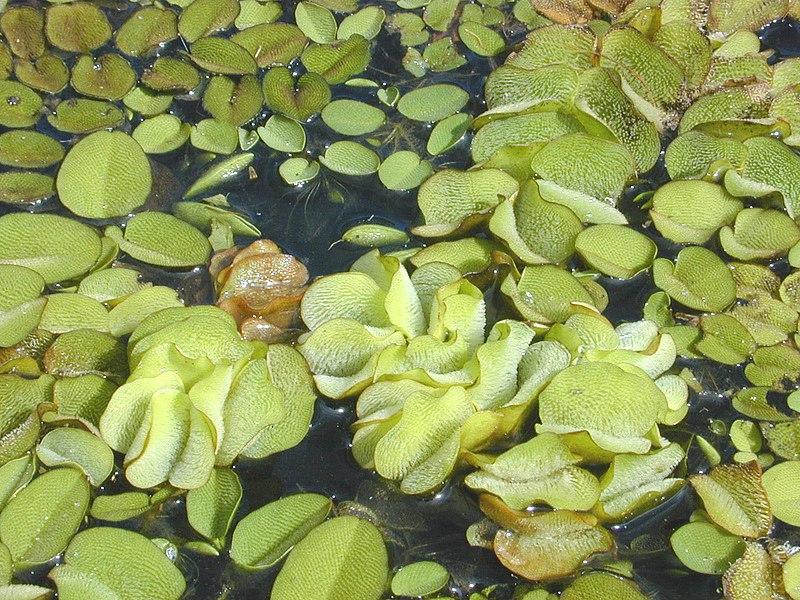
Crédit photo : Photo de Marshman sans modification (CC BY 3.0). Licence : CC BY 3.0.