
Tagetes erecta (Œillet d’Inde) : vertus médicinales en extraction alcoolique
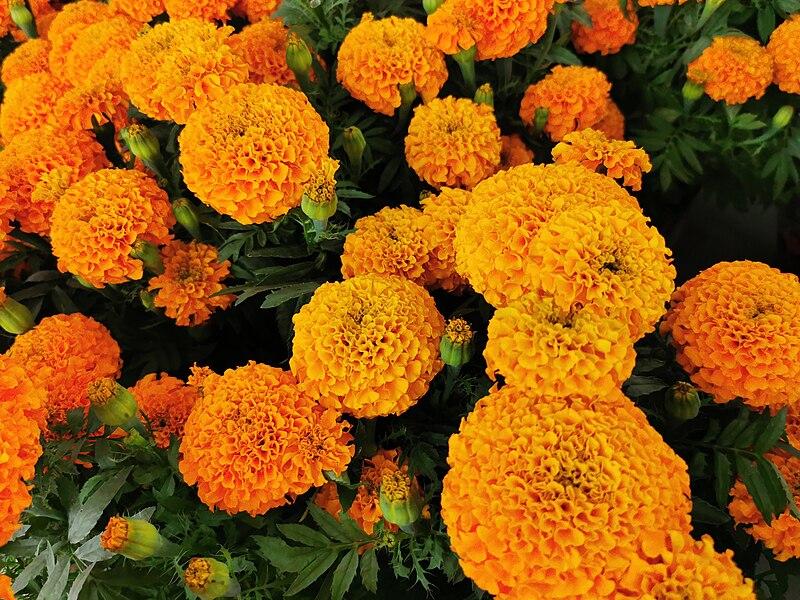
Tagetes erecta (Œillet d’Inde) : vertus médicinales en extraction alcoolique
Tagetes erecta (Œillet d’Inde) — famille Astéracées.
Cette base documente les extractions alcooliques (éthanol) des substances actives. Notre monographie recense actuellement 30 indications en extraction alcoolique pour cette espèce. La monographie s’appuie sur 108 références scientifiques enregistrées pour l’espèce.
Indications thérapeutiques en extraction alcoolique :
Note : les extraits de références scientifiques sont conservés dans leur langue d’origine (le plus souvent l’anglais), sans traduction, afin de respecter le texte source des publications.
- Cancer : Partie usitée : Racine. Profil pharmacologique documenté : Paclitaxel-like.
Selon Barhoi D (2021) : To evaluate the antitumor potential of aqueous extract of TE (AETE), EAC (Ehrlich ascites carcinoma) induced solid tumor model was prepared in Swiss albino mice. The present study was designed to evaluate the anticancer activity of a medicinal plant, Tagetes erecta L., in established cancer cell lines in vitro & in animal models in vivo. Selon Gonzalez ASC (2023) : Our objective was to evaluate the antitumor activity of TE extract in a lung carcinoma model. - Infection fongique : Partie usitée : Fleur. Profil pharmacologique documenté : Amphotericine B-like, Fluconazole-like.
(2019) : Antifungal activity against was evaluated against Candida albicans, Aspergillus niger, Aspergillus flavus, & Penicillium crysogenum fungal strains in disc diffusion method using Amphotericin-B, fluconazole as positive controls. This study demonstrated that the petal extract of TEacould be a valuable lead, which has the potential to be explored for its use against fungal infection, & breast carcinoma in the upcoming years by the scientific fraternity. Selon Mumtaz T (2018) : These ornamental plants are being utilized as an antiseptic, antifungal, anti-inflammatory, antibacterial & wound healing agents in modern system of medicine. - Infection bactérienne : Partie usitée : Feuille. Profil pharmacologique documenté : Amoxicilline-like, Ciprofloxacine-like, Streptomycine-like.
Selon Rhama S (2011) : It was then subjected to disc diffusion assay to assess its antibacterial potentials against Alcaligens faecalis, Bacillus cereus, Campylobacter coli, Escherchia coli, Klebsiella pneumoniae, Pseudomonas aeruginosa, Proteus vulgaris, Streptococcus mutans & Streptococcus pyogenes. The flavonoid possesses antibacterial activity against all the tested strains & shows maximum zone of inhibition for K pneumoniae (29.50 mm). Selon Mumtaz T (2018) : These ornamental plants are being utilized as an antiseptic, antifungal, anti-inflammatory, antibacterial & wound healing agents in modern system of medicine.
D’autres indications (y compris d’autres modes d’extraction le cas échéant), posologies, précautions d’emploi et le détail des références scientifiques sont disponibles dans la fiche monographique complète.
Base médicinale Lapotitjéri di la Nati
Extraits éthanoliques des substances actives — monographies, indications, posologies et références pour professionnels de santé. Ethnopharmacologue Emmanuel Nossin.
→ Rechercher Tagetes erecta dans la base (abonnement requis)
Crédit photo : Photo de Wotancito sans modification (CC BY 4.0). Licence : CC BY 4.0.