
Tetradenia riparia (Lavand-montangn) : vertus médicinales en extraction alcoolique
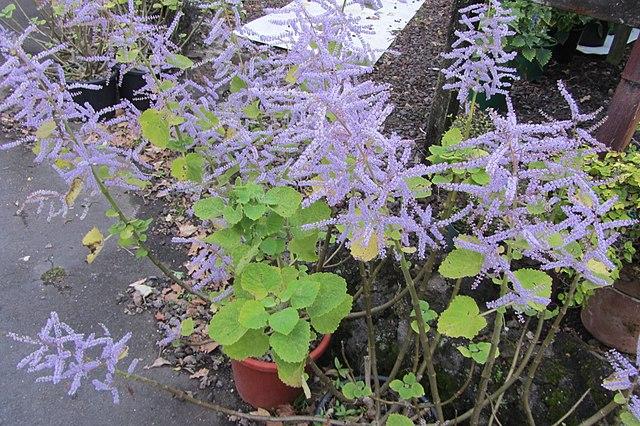
Tetradenia riparia (Lavand-montangn) : vertus médicinales en extraction alcoolique
Tetradenia riparia (Lavand-montangn) — famille Lamiacées.
Cette base documente les extractions alcooliques (éthanol) des substances actives. Notre monographie recense actuellement 5 indications en extraction alcoolique pour cette espèce. La monographie s’appuie sur 73 références scientifiques enregistrées pour l’espèce.
Indications thérapeutiques en extraction alcoolique :
Note : les extraits de références scientifiques sont conservés dans leur langue d’origine (le plus souvent l’anglais), sans traduction, afin de respecter le texte source des publications.
- Infection bacterienne : Partie usitée : Racine. Profil pharmacologique documenté : Gentamycine-like.
Selon Van Puyvelde L (2021) : A Bioassay-guided purification was performed to isolate antimicrobial compounds using Staphylococcus aureus as a target organism. Selon GAZIM ZC (2010) : The antimicrobial activity of the EO against the bacterial strains: Staphylococcus aureus, Bacillus subtilis, Enterococcus faecalis, Escherichia coli, Salmonella enterica, Pseudomonas aeruginosa, Klebsiella pneumonia, Proteus mirabilis, Morganella morganii, & Enterobacter cloacae, & the pathogenic fungus Candida albicans was assessed by the disc diffusion method & determination of the minimum inhibitory concentration. - Arthrose, arthrite, rhumatisme, oedème : Partie usitée : Feuille. Profil pharmacologique documenté : Curcumine-like.
Selon Ndayambaje M (2025) : inflammation is the pivotal process for immune response & tissue repair Immunomodulatory molecules emerge as key targets for mitigating inflammation Medicinal plants have been used for many years as a source of healing treatment In this context, the hydroalcoholic extract of Moroccan Ammi visnaga & Rwanda native Tetradenia riparia have been studied for their potential effects as anti inflammatory, antioxidant activities, immunomodulatory effects, & impact on chronic inflammation on inflammatory bowel diseases ( The phytochemical characterization of the extract revealed a variety of components, such as phenols, flavonoids, tannins, coumarins, & saponins For AV the total polyphenolic & total flavonoid content were 23 261261±0 06 mg of Gallic acid equivalents ( & 13 256256±0 01 mg of quercetin equivalents ( per gram of dry weight respectively For TR the concentration was 17 6767±0 109 mg GAE & 7 8787±0 233 mg QE In vitro tests demonstrated that the extract possesses antioxidant properties & the ability to scavenge free radicals, including DPPH, ABTS, nitric oxide ( phosphomolybdate, & ferric reducing antioxidant power ( Additionally, the extract was found to inhibit hydrogen peroxide (H 2 O 2 induced hemolysis In vivo study showed that the oral administrations of various doses 0 25 5 g/kg/w) of the TR extract to Wistar rats in single doses for acute toxicity studies or daily for 28 days for sub acute toxicity have shown no toxicity The histological analysis had shown no significant structural damage in the spleen, liver, & kidney LD 50 was 5 g/kg/w In a female Swiss albino mice model of acetic acid in vascular permeability, AV & TR significantly inhibited extravasations of Evans blue at doses of 0 5 & 1 g/kg(p< 0 05 The anti inflammatory activity of the TR extract suppressed the carrageenan induced paw edema swelling with a reduction of white blood cells & inhibition of NO in the air pouch animal model Both AV & TR revealed the effect of attenuating hepatic renal chronic inflammation induced by carrageenan On the other hand, Av extract demonstrated a preventive effect against IBD The extract also demonstrated potential immunomodulatory properties in mice by enhancing antibody production in response to antigens In Silico molecular docking studies of both extracts showed a strong affinity between khellin or visnagin, Luteolin or stigmasterol, & immunomodulatory proteins NF κB p 52 & TNF α, providing a promising starting point for further investigation These findings suggest that AV & TR extract demonstrated anti inflammatory & antioxidant effects with immunomodulatory properties & could serve as therapeutic agents to combat some chronic inflammatory diseases,. Selon KHUMALO GP (2024) : This study investigates the anti-inflammatory properties of extracts prepared from the leaves of eight southern African medicinal plants used traditionally to treat inflammation & pain. The inhibitory effect of aqueous & ethanol extracts on the release of pro-inflammatory cytokines was determined in lipopolysaccharide (LPS) stimulated & unstimulated RAW 264.7 murine macrophage cells. - Helminthiase : Partie usitée : Parasiticide et vétérinaire.
D’autres indications (y compris d’autres modes d’extraction le cas échéant), posologies, précautions d’emploi et le détail des références scientifiques sont disponibles dans la fiche monographique complète.
Base médicinale Lapotitjéri di la Nati
Extraits éthanoliques des substances actives — monographies, indications, posologies et références pour professionnels de santé. Ethnopharmacologue Emmanuel Nossin.
→ Rechercher Tetradenia riparia dans la base (abonnement requis)