
Adenanthera pavonina (Bwa-réglis) : vertus médicinales en extraction alcoolique
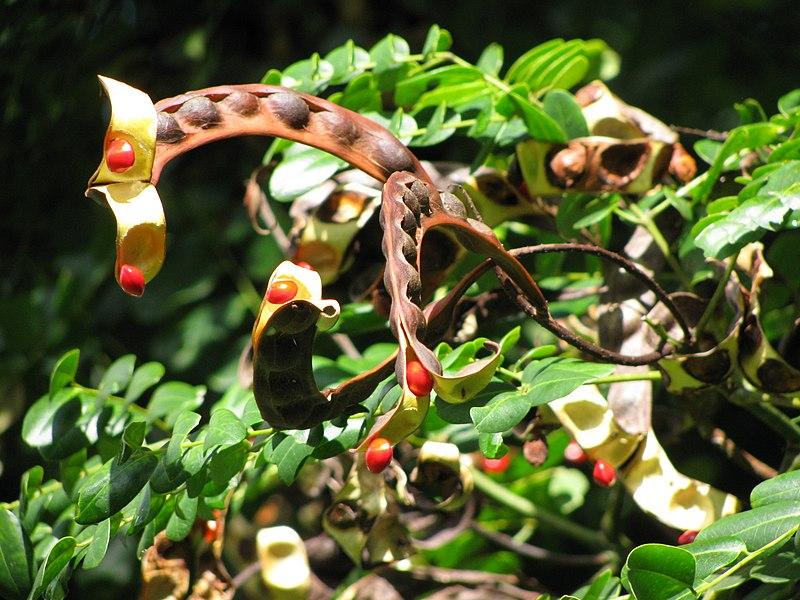
Adenanthera pavonina (Bwa-réglis) : vertus médicinales en extraction alcoolique
Adenanthera pavonina (Bwa-réglis) — famille Mimosacées.
Cette base documente les extractions alcooliques (éthanol) des substances actives. Notre monographie recense actuellement 9 indications en extraction alcoolique pour cette espèce. La monographie s’appuie sur 52 références scientifiques enregistrées pour l’espèce.
Indications thérapeutiques en extraction alcoolique :
Note : les extraits de références scientifiques sont conservés dans leur langue d’origine (le plus souvent l’anglais), sans traduction, afin de respecter le texte source des publications.
- Cancer : Partie usitée : Feuille. Profil pharmacologique documenté : Campothécine-like.
Selon –Chauhan R (2015) : The methanol extract has anticancer effect being effective against bone cancer cell line when compared with acetone extract. AP is known to produce anti-inflammatory drugs whereas this traditional plant is used for anticancer drugs as well which will be greater benefit to mankind,. Selon Kolhe Rohini C (2019) : Traditionally the plant has been used for various ailments such as asthma, boil, diarrhea, gout, inflammations, rheumatism, tumor & ulcers, and as a tonic. - Infection (tige d’écorce) : Partie usitée : Écorce. Profil pharmacologique documenté : Ciprofloxacine-like.
Selon Abdu K (2020) : The targeted compounds isolated (AP-X38 & AP-X44) were also subjected to antimicrobial test using three bacterial species & found to be even more active that the solvent extract of ETAC. In the present study, four solvent-extract (ethanol, ethyl acetate, chloroform & n-hexane) were subjected to antimicrobial activity test against E. Selon Rodrigo SK (2006) : Extracts of both plants exhibit antibacterial activity against methicillin-sensitive & –resistant strains of Staphylococcus aureus, Enterococcus faecalis & Pseudomonas aeruginosa (Jayasinghe et al., 2006). - Arthrose, rhumatisme, œdème, arthrite : Partie usitée : Feuille. Profil pharmacologique documenté : Indometacine-like.
Selon Mayuren C (2009) : Ethanolic extracts from the leaves of Adenanthera pavonina were assessed at doses of 250 & 500 mg/kg for anti-inflammatory effects using both acute & chronic inflammatory models. The anti-inflammatory activity elicited by the leaf extracts may be due to the influence of the active constituents such as beta-sitosterol & stigmasterol. Selon Kolhe Rohini C (2019) : It has been reported to posses various activities like Antioxidant Activity, Antibacterial Activity, Anti-inflammatory, Antimicrobial Activity, Antipyretic activity, Hepatoprotective activity, & hypoglycaemic activity, Hypolipidemic activity, Wound healing activity & Antimalarial activity.
D’autres indications (y compris d’autres modes d’extraction le cas échéant), posologies, précautions d’emploi et le détail des références scientifiques sont disponibles dans la fiche monographique complète.
Base médicinale Lapotitjéri di la Nati
Extraits éthanoliques des substances actives — monographies, indications, posologies et références pour professionnels de santé. Ethnopharmacologue Emmanuel Nossin.
→ Rechercher Adenanthera pavonina dans la base (abonnement requis)
Crédit photo : Photo de Forest et Kim Starr sans modification (CC BY 3.0 US). Licence : CC BY 3.0 US.