
Adenanthera pavonina (Liquorice wood) | Lapo
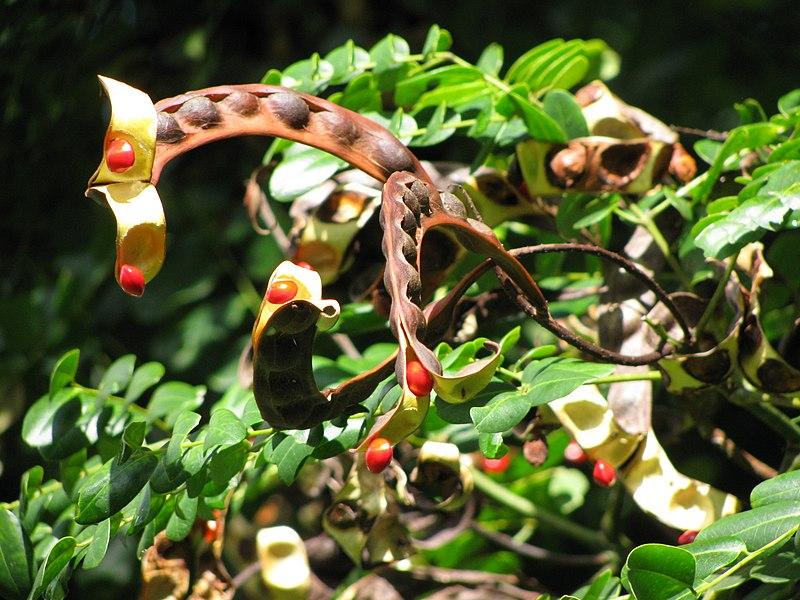
Adenanthera pavonina (Liquorice wood) : medicinal properties in alcoholic extraction
Adenanthera pavonina (Liquorice wood) — family Mimosacées.
This database documents alcoholic (ethanol) extractions of active substances. Our monograph currently lists 9 indications in alcoholic extraction for this species. The monograph draws on 52 scientific references recorded for the species.
Therapeutic indications in alcoholic extraction:
Note: scientific reference excerpts are kept in their original language (most often English), without translation, to respect the source text of publications.
- Cancer : Plant part used: Sheet. Documented pharmacological profile: Campothécine-like.
According to –Chauhan R (2015): The methanol extract has anticancer effect being effective against bone cancer cell line when compared with acetone extract. AP is known to produce anti-inflammatory drugs whereas this traditional plant is used for anticancer drugs as well which will be greater benefit to mankind,. According to Kolhe Rohini C (2019): Traditionally the plant has been used for various ailments such as asthma, boil, diarrhea, gout, inflammations, rheumatism, tumor & ulcers, and as a tonic. - Infection (bark stem) : Plant part used: Bark. Documented pharmacological profile: Ciprofloxacine-like.
According to Abdu K (2020): The targeted compounds isolated (AP-X38 & AP-X44) were also subjected to antimicrobial test using three bacterial species & found to be even more active that the solvent extract of ETAC. In the present study, four solvent-extract (ethanol, ethyl acetate, chloroform & n-hexane) were subjected to antimicrobial activity test against E. According to Rodrigo SK (2006): Extracts of both plants exhibit antibacterial activity against methicillin-sensitive & –resistant strains of Staphylococcus aureus, Enterococcus faecalis & Pseudomonas aeruginosa (Jayasinghe et al., 2006). - Osteoarthritis, rheumatism, oedema, arthritis : Plant part used: Sheet. Documented pharmacological profile: Indometacine-like.
According to Mayuren C (2009): Ethanolic extracts from the leaves of Adenanthera pavonina were assessed at doses of 250 & 500 mg/kg for anti-inflammatory effects using both acute & chronic inflammatory models. The anti-inflammatory activity elicited by the leaf extracts may be due to the influence of the active constituents such as beta-sitosterol & stigmasterol. According to Kolhe Rohini C (2019): It has been reported to posses various activities like Antioxidant Activity, Antibacterial Activity, Anti-inflammatory, Antimicrobial Activity, Antipyretic activity, Hepatoprotective activity, & hypoglycaemic activity, Hypolipidemic activity, Wound healing activity & Antimalarial activity.
Further indications (including other extraction modes where applicable), dosages, precautions for use and full scientific references are available in the complete monograph.
Lapotitjéri di la Nati medicinal database
Ethanolic extracts of active substances — monographs, indications, dosages and references for healthcare professionals. Ethnopharmacologist Emmanuel Nossin.
→ Search Adenanthera pavonina in the database (subscription required)
Photo credit : Photo by Forest and Kim Starr without modification (CC BY 3.0 US). License : CC BY 3.0 US.