Christia vestertillionis (Zèl-papiyon) : vertus médicinales en extraction alcoolique
Christia vestertillionis (Zèl-papiyon) : vertus médicinales en extraction alcoolique
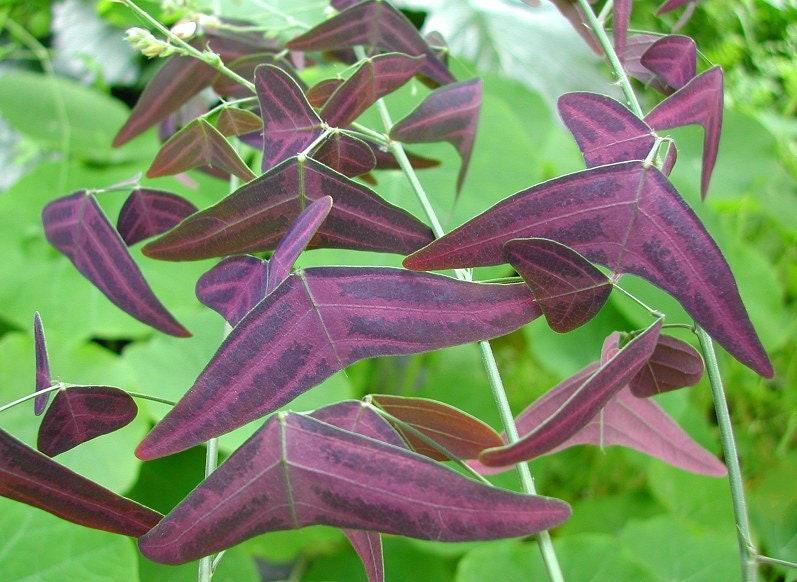
Christia vestertillionis (Zèl-papiyon) — famille Fabacées.
Cette base documente les extractions alcooliques (éthanol) des substances actives. Notre monographie recense actuellement 4 indications en extraction alcoolique pour cette espèce. La monographie s’appuie sur 48 références scientifiques enregistrées pour l’espèce.
Indications thérapeutiques en extraction alcoolique :
Note : les extraits de références scientifiques sont conservés dans leur langue d’origine (le plus souvent l’anglais), sans traduction, afin de respecter le texte source des publications.
- Cancer : Partie usitée : Feuille. Association synergique mentionnée : Cyclophosphamide.
Selon Hofer D (2013) : In an attempt to find new therapeutic plant extracts of Christia vespertilionis (CV) their antitumor potential in human medullary thyroid carcinoma (MTC) & human small intestinal neuroendocrine tumor (SI-NET) cell lines were tested. CV extracts showed antiproliferative & proapoptotic effects in all MTC & SI-NET cell lines, whereby high growth inhibition was observed by treatment with the ethylacetate-extracts (CV-45) in tumor cell lines but not in normal human fibroblasts. Selon Lee JJ (2020) : The cytotoxic effects were determined using MTT assay against human breast carcinoma cell lines (MCF-7 & MDA-MB-231). - Stress oxydatif : Partie usitée : Feuille. Profil pharmacologique documenté : Quercétine-like.
Selon Ibrahim Farrah S (2022) : Results show that to date, phytochemicals such as alkaloids, flavonoids, quinones, & others have been identified, corresponding to its range of pharmacological activities that include anti-cancer, anti-malaria, & antioxidant. Selon Auteur (2017) : The percentage of inhibition in antioxidant showed that ethyl acetate extract was the highest & SFE without ethanol co-solvent the lowest. The antioxidant activity on the extracts were tested using free radical scavenging activity of 1,1-diphenyl-2-picrilhydrazyl (DPPH) assay as well as to determine phytochemical components, alkaloid & flavonoid using the suitable chemical tests. - Arthrose, arthrite, rhumatisme, oedème : Partie usitée : Feuille.
Selon Zambari IF (2023) : This study aims to compare & analyze the anti-inflammatory properties & activities of green and red C. vespertilionis types have the potential to act as anti-inflammatory agents, but green leaves are preferable. Selon Osman M.S (2017) : The findings of this study indicates the global yield of the MCV oils is 31 mg/g while the compound identification indicates the presence of anti-cancer, anti-inflammatory & beneficial phytochemicals.
D’autres indications (y compris d’autres modes d’extraction le cas échéant), posologies, précautions d’emploi et le détail des références scientifiques sont disponibles dans la fiche monographique complète.
Base médicinale Lapotitjéri di la Nati
Extraits éthanoliques des substances actives — monographies, indications, posologies et références pour professionnels de santé. Ethnopharmacologue Emmanuel Nossin.
→ Rechercher Christia vestertillionis dans la base (abonnement requis)
Crédit photo : Photo de Strange Wonderful Things sans modification (CC BY 4.0). Licence : CC BY 4.0.