Solanum tuberosum (Potato) : medicinal properties | Lapo
Solanum tuberosum (Potato) : medicinal properties in alcoholic extraction
Solanum tuberosum (Potato) — family Solanacées.
Recognised external sources linked to this monograph: TRAMIL.
This database documents alcoholic (ethanol) extractions of active substances. Our monograph currently lists 10 indications in alcoholic extraction for this species. The monograph draws on 102 scientific references recorded for the species.
Therapeutic indications in alcoholic extraction:
Note: scientific reference excerpts are kept in their original language (most often English), without translation, to respect the source text of publications.
- Wound, injury, incision : Plant part used: The skin of the tuber. Documented pharmacological profile: Bacitracine-like, Neomycine-like, Polymyxine-like.
Selon Tiarasanti F (2024) : Wound lengths were measured on days 3, 7, & 14 to evaluate the healing process. Results: All experimental groups showed a reduction in wound length on days 3, 7, & 14. Selon Rosas-Cruz GP (2020) : Wound closure was determined during the experimentation time, then euthanized with sodium pentobarbital 60 mg/kg b.w. - Fungal infection : Plant part used: The skin of the tuber. Documented pharmacological profile: Amphotéricine B-like, Fluconazole-like.
Selon Yu JO (2019) : (white potato) peelings against opportunistic fungi Candida albicans, Candida glabrata, Aspergillus niger, Aspergillus fumigatus, a Aspergillus flavus. flavus, thereby verifying the antifungal effect of glycoalkaloid against A. Selon Bártová V (2019) : Antifungal, antimicrobial & also antiviral properties, described for potato proteins in the review, enrich the possibilities of ST protein usage. - Bacterial infection : Plant part used: The skin of the tuber. Documented pharmacological profile: Gentamycine-like.
Selon Amanpour A (2015) : Since there were reports about the antibacterial properties of Solanum tuberosum (SE), the aim of this study was to investigate the antibacterial effects of SE ethanol extract in vitro condition on Streptococcus pyogenes, Staphylococcus aureus, Pseudomonas aeruginosa & Klebsiella pneumoniae Methods: Ethanol extract of SE peel was prepared by maceration method. Initially, antibacterial activity of ethanol extract of SE was qualitatively determined by disk diffusion test; then, the minimum inhibitory concentration and minimum bactericidal concentration were qualitatively determined by micro-dilution method. Selon Gebrechristos HY (2020) : Antimicrobial sensitivity test using microdilution & diffusion test revealed positive response in Escherichia coli, Salmonella enterica, & Staphylococcus aureus with minimum inhibitory concentration, 7.5 ± 2, 5.8 ± 2, & 4.7 ± 1 mg/ml, respectively, but had a negative response for Klebsiella pneumoniae & Listeria monocytogenes.
Further indications (including other extraction modes where applicable), dosages, precautions for use and full scientific references are available in the complete monograph.
Lapotitjéri di la Nati medicinal database
Ethanolic extracts of active substances — monographs, indications, dosages and references for healthcare professionals. Ethnopharmacologist Emmanuel Nossin.
→ Search Solanum tuberosum in the database (subscription required)
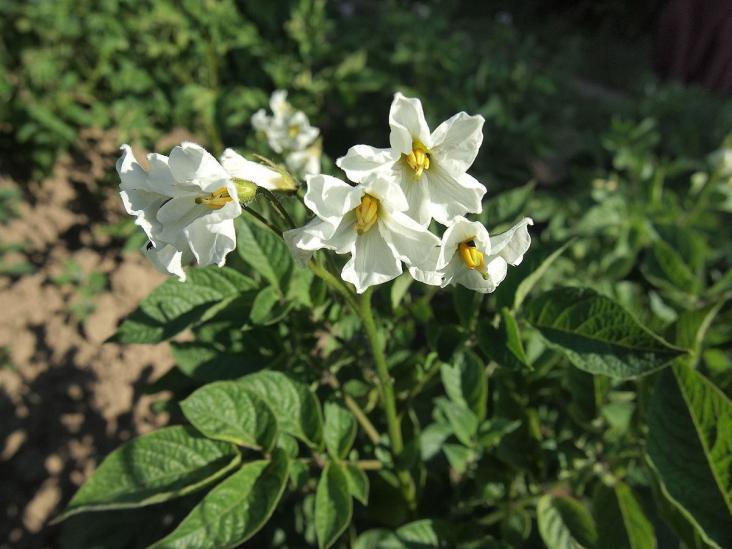
Photo credit : Photo by Gilles Ayotte without modification. License : CC BY-SA 4.0.