Khaya senegalensis (Acajou du Sénégal) : vertus médicinales en extraction alcoolique
Khaya senegalensis (Acajou du Sénégal) : vertus médicinales en extraction alcoolique
Khaya senegalensis (Acajou du Sénégal) — famille Méliacées.
Cette base documente les extractions alcooliques (éthanol) des substances actives. Notre monographie recense actuellement 10 indications en extraction alcoolique pour cette espèce. La monographie s’appuie sur 25 références scientifiques enregistrées pour l’espèce.
Indications thérapeutiques en extraction alcoolique :
Note : les extraits de références scientifiques sont conservés dans leur langue d’origine (le plus souvent l’anglais), sans traduction, afin de respecter le texte source des publications.
- Infection bactérienne : Partie usitée : Feuille. Profil pharmacologique documenté : Tétracycline-like.
Selon Wakirwa JH (2010) : Khaya senegalensis ethanol leaf extract was examined for antimicrobial potential against some selected clinical isolates (Staphylococcus aureus, Escherichia coli, Klebsiella pneumoniae & Candida albicans). Dose dependent antimicrobial activity was observed with zones of inhibition ranging from 15. Selon Makut DM (2008) : The test organisms were Staphylococcus aureus, Steptococcus faecalis, Escherichia coli & Candida albicans. - Cancer : Partie usitée : Tige. Association synergique mentionnée : la Curcumine.
Selon Andreoulakis XM (2006) : Khaya senegalensis bark extract (KSBE) was hypothesized to contain inhibitors of the cyclooxygenase-2 (COX-2) gene & to be useful in the prevention and treatment of colorectal cancer. Selon Olugbami OJ (2017) : In this study, therefore, we evaluated the antimetastatic potentials of an extract of Khaya senegalensis & curcumin on the metastatic liver cell line HepG2, & also assessed the anticancer property of the extract. Treated cells were assessed as follows: nanotechnologically—atomic force microscopy (AFM) was used to determine cell stiffness; biochemically—cell cytotoxicity, glutathione level & adenosine triphosphate status, caspase activation & mitochondrial toxicity were considered; & microbiologically—a carrot disk assay was used to assess the anticancer property of the extract of KS. - Infection fongique : Partie usitée : Écorce.
Selon Wakirwa JH (2010) : Khaya senegalensis ethanol leaf extract was examined for antimicrobial potential against some selected clinical isolates (Staphylococcus aureus, Escherichia coli, Klebsiella pneumoniae & Candida albicans). Dose dependent antimicrobial activity was observed with zones of inhibition ranging from 15. Selon Makut DM (2008) : The test organisms were Staphylococcus aureus, Steptococcus faecalis, Escherichia coli & Candida albicans.
D’autres indications (y compris d’autres modes d’extraction le cas échéant), posologies, précautions d’emploi et le détail des références scientifiques sont disponibles dans la fiche monographique complète.
Base médicinale Lapotitjéri di la Nati
Extraits éthanoliques des substances actives — monographies, indications, posologies et références pour professionnels de santé. Ethnopharmacologue Emmanuel Nossin.
→ Rechercher Khaya senegalensis dans la base (abonnement requis)
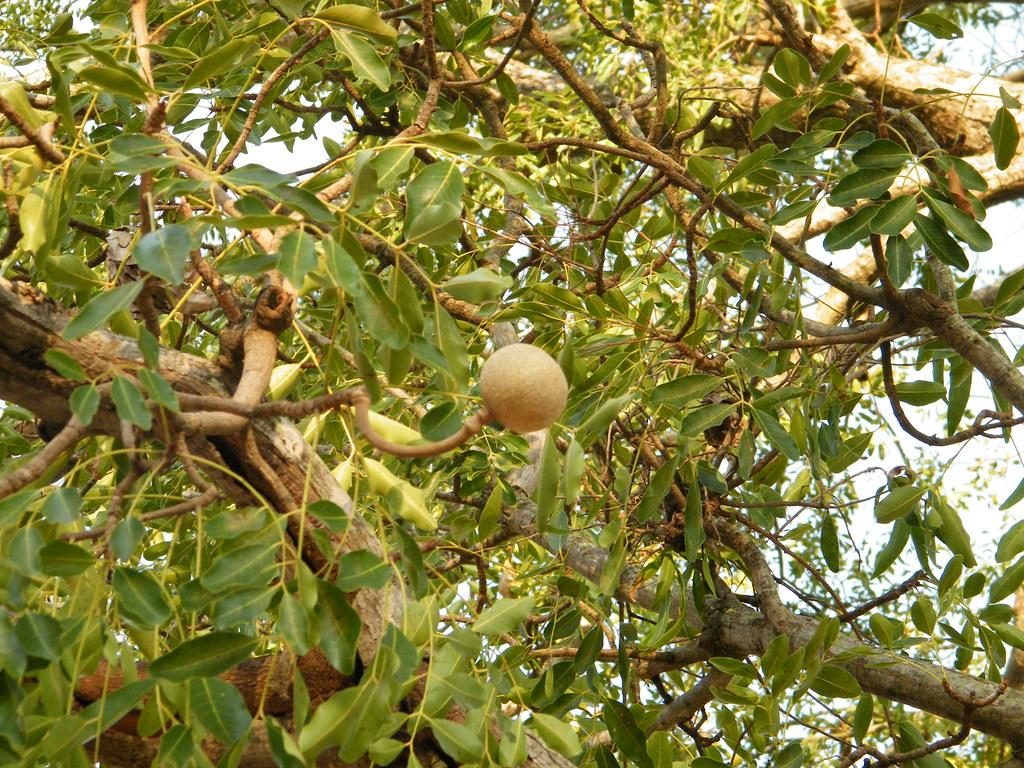
Crédit photo : Photo de Scamperdale trouvé sur https://flickr.com sans modification (CC BY-NC 2.0). Licence : CC BY-NC 2.0.